

 Spanish
 Chinese (simplified)
 Dutch
 French
 German
 Italian
 Norwegian
 Polish
 Romanian
 Russian
Click to view Facebook page
A bridge that carried armies across Europe, a stolen German biplane, a town hall that was moved out of the traffic and a department store king in a quiet churchyard. Ten Christchurch stories worth knowing.
18th November 2026

Click to view Facebook page
Christchurch is easy to sum up in a sentence: a priory, a castle, two rivers and a harbour. There is a lot more to it. This small town designed the Bailey bridge, built D-Day gliders, tracked satellites from a clifftop, shifted its own town hall to cure a traffic jam and became the last address of one of the most famous shopkeepers in the world. Here are ten things worth knowing, most with somewhere you can go and see for yourself. If you want the headline sights first, start with our guide to historical sites in Christchurch.
The portable steel bridge that carried Allied armies across Europe was designed in Christchurch. Sir Donald Bailey worked it out at the Experimental Bridging Establishment at the Barracks in 1940 and 1941, using standard parts that soldiers could put together by hand. A memorial section of bridge stands beside Barrack Road, and its plaque records that more than 200 miles of Bailey bridging were made during the war. Field Marshal Montgomery later credited it with an immense contribution to ending the war.
The Christchurch History Society identifies the small steel bridge on Stanpit Marsh as the prototype Bailey bridge. It crosses Mother Siller's Channel on the path round the marsh, and most walkers go over it without a second look. Next time, stop halfway. You are standing on the first of a design that was later built by the thousand.
Christchurch once had its own airfield at Somerford, and beside it an aircraft factory run by Airspeed and later de Havilland. The History Society records that it turned out 670 Horsa gliders, the wooden troop carriers used on D-Day and at Arnhem, along with 550 Oxford trainers. It was the only place where Horsas were produced, assembled and flown out from the same site. The factory closed in 1962. The site is now housing and industry, with streets named after aircraft.
On 30 April 1941 a German Bücker training aircraft appeared over Christchurch and landed at the airfield. Inside were two French trainee pilots who had taken it to escape occupied France and join the fight from Britain.
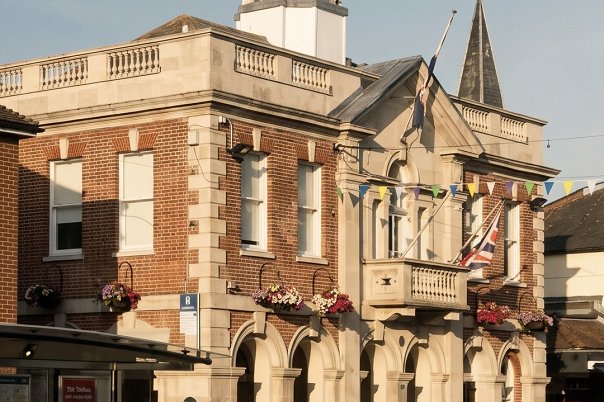
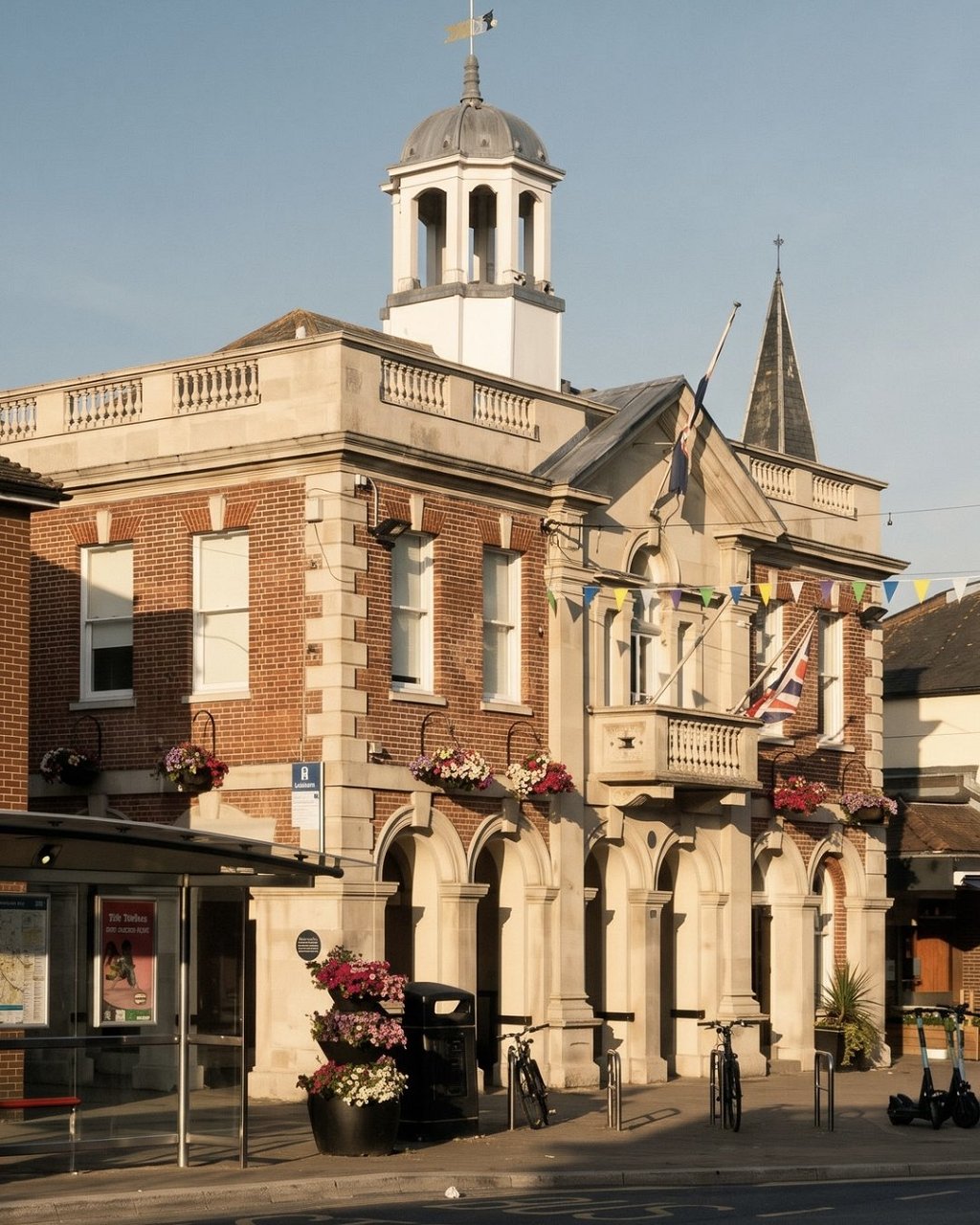
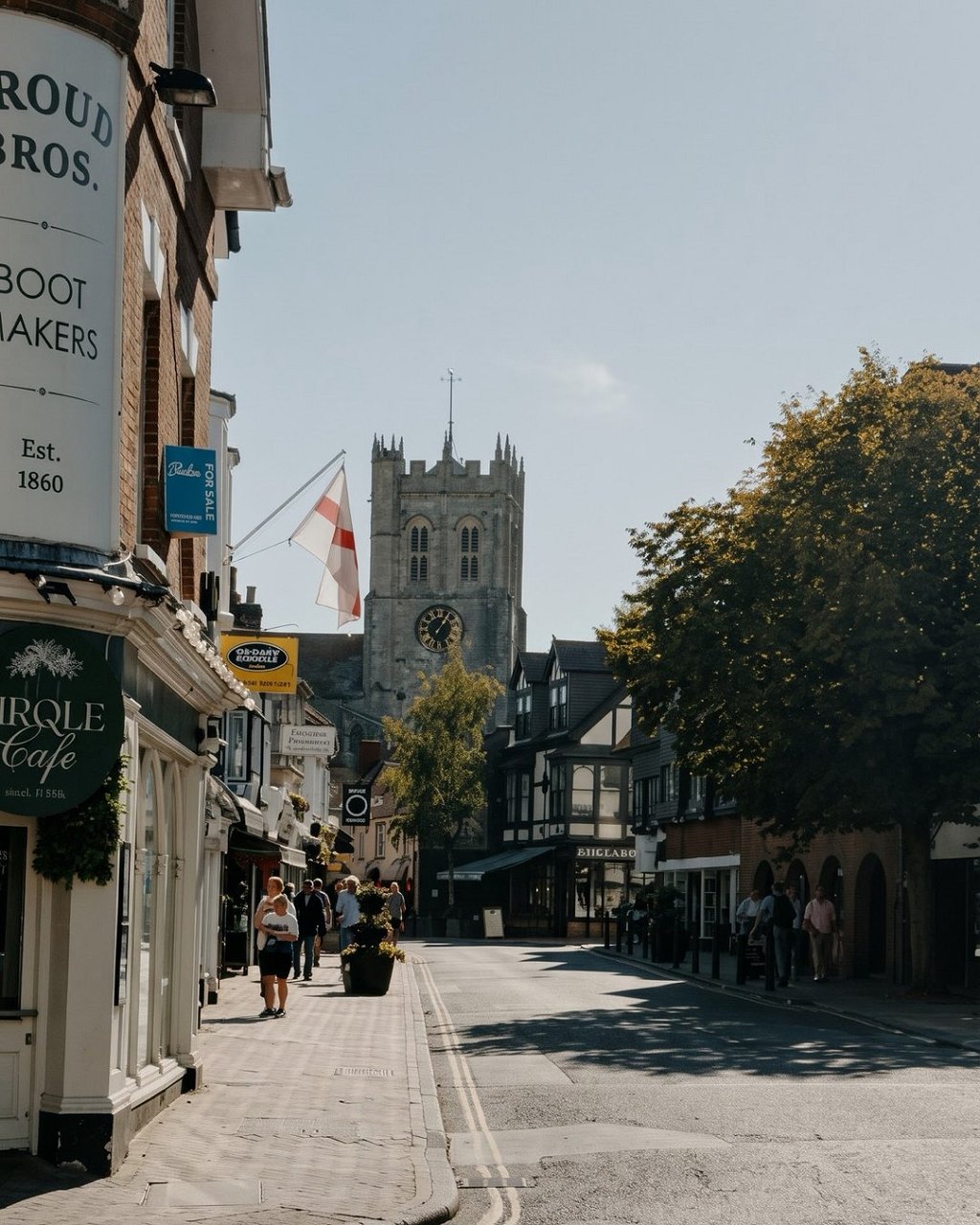
The cupola-topped Old Town Hall on the High Street has not always stood there. It was built in 1746 in the old market square, where the mini roundabout at the top of Church Street is now. The gap beside it gave only eleven feet of clearance, which caused jams of coaches and wagons once the railway brought more traffic. In 1859 the town took it down and rebuilt it further up the High Street, where it stands today at the entrance to Saxon Square.
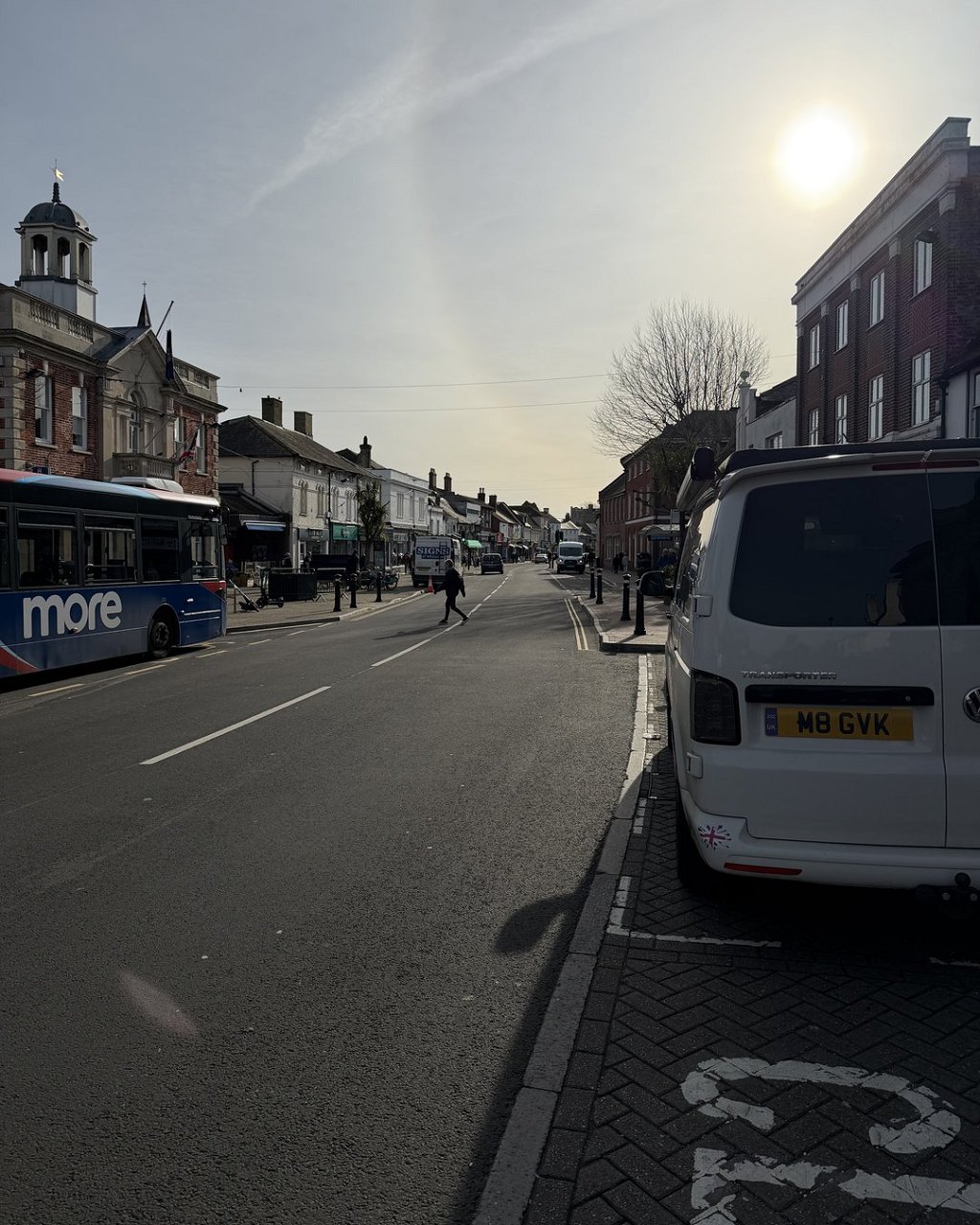
From 1905 to 1936 you could ride a tram from Poole to Christchurch. The line crossed Tuckton Bridge and ran down the High Street. Trolleybuses replaced the trams and kept going until 1969. The street they used is still the main shopping street, and it is still home to the Monday Christchurch market.
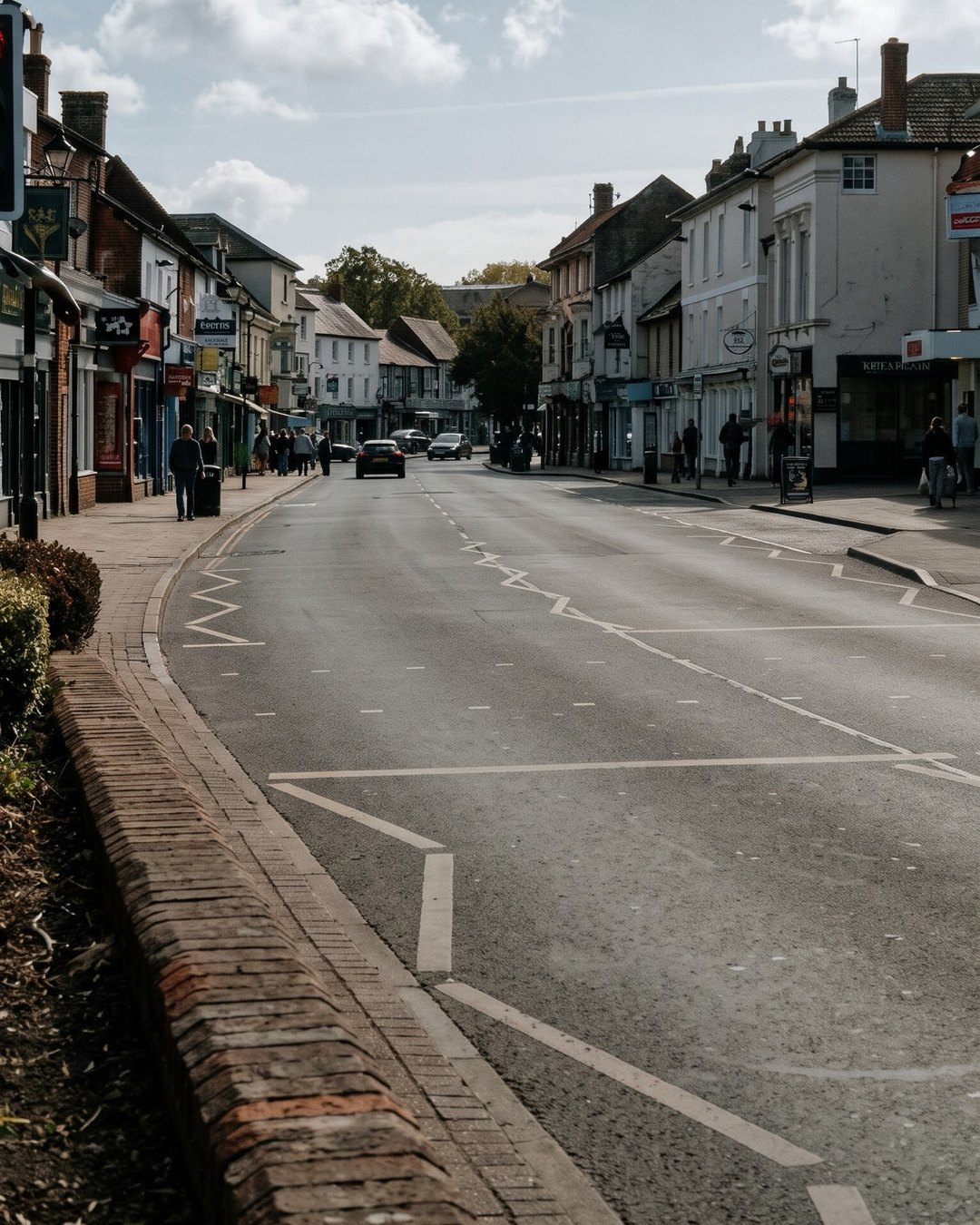
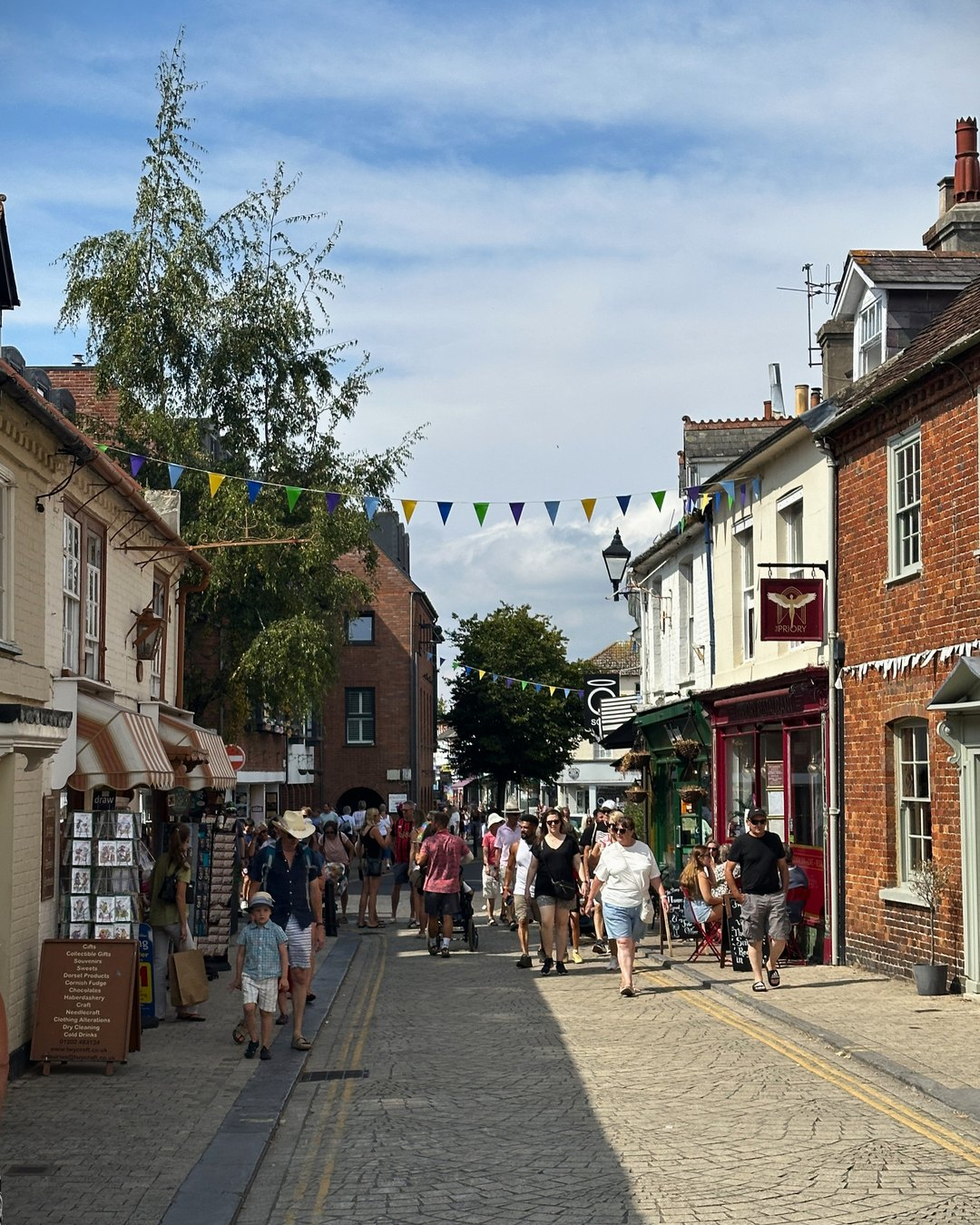
That market is Saxon in origin and is first mentioned in a charter of 1149. Punishment was part of the show in its early centuries. According to the History Society, thieves were whipped for a hundred yards through the market crowd, and the town's ducking stool was kept in the north porch of the Priory.
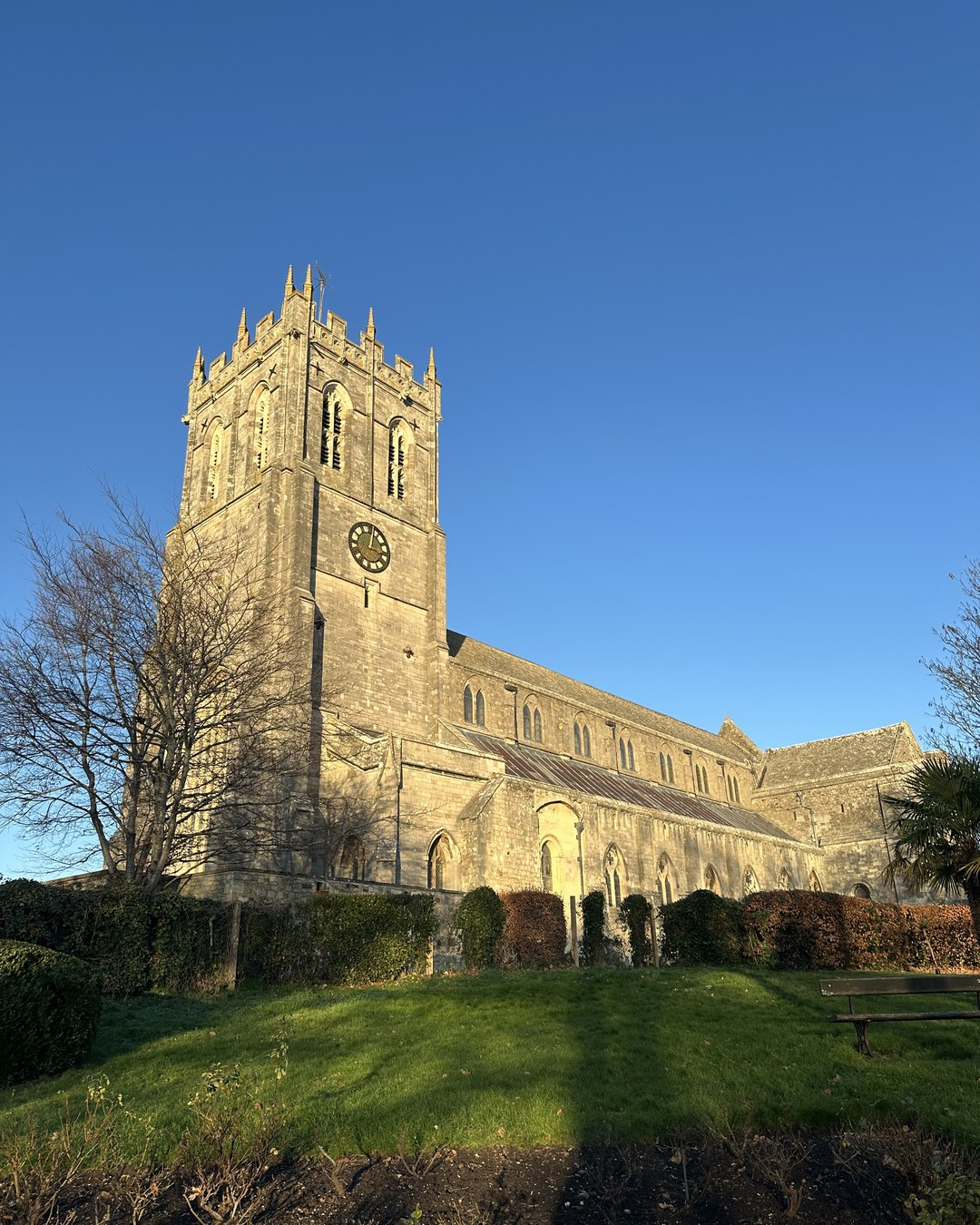
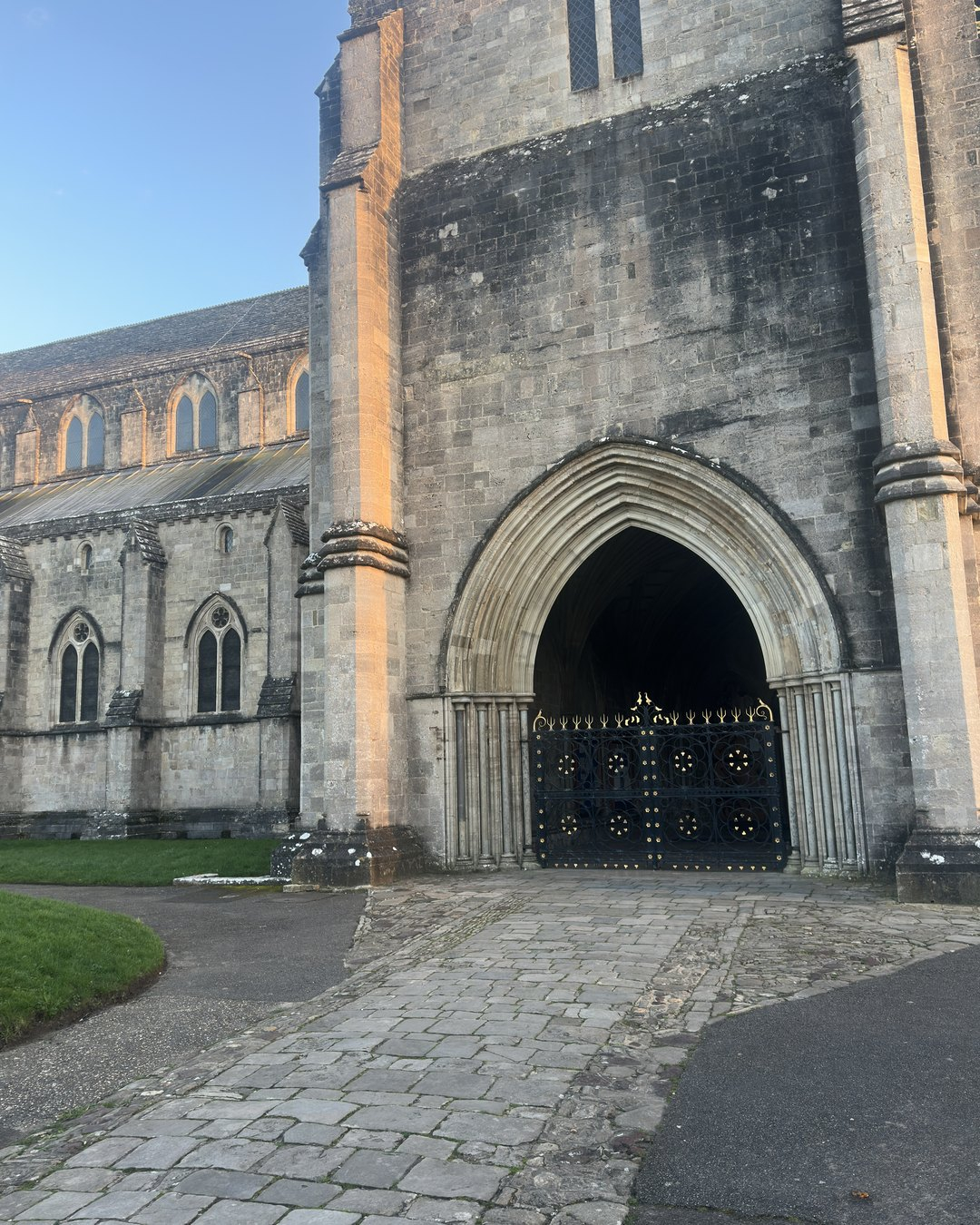
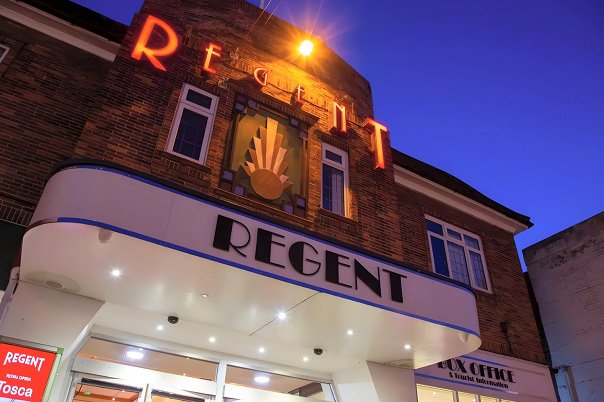
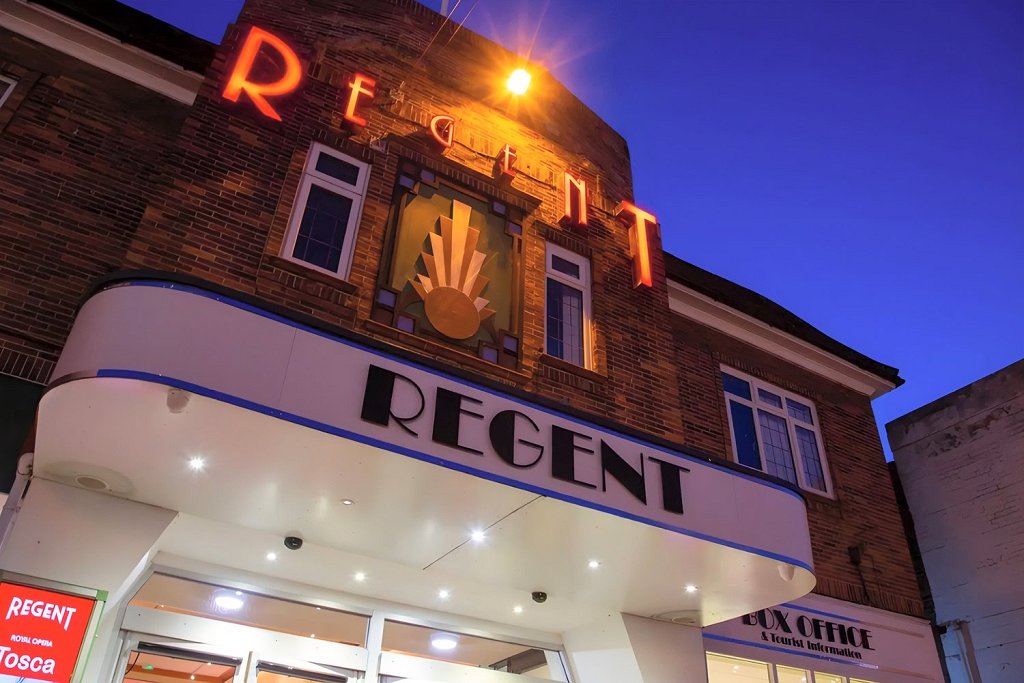
The Regent on the High Street opened as a cinema on Boxing Day 1931. It became a bingo hall in 1973 and reopened as a theatre and cinema in 1983. It carries the first of the town's Blue Plaques. See what is showing in our guide to events at the Regent.
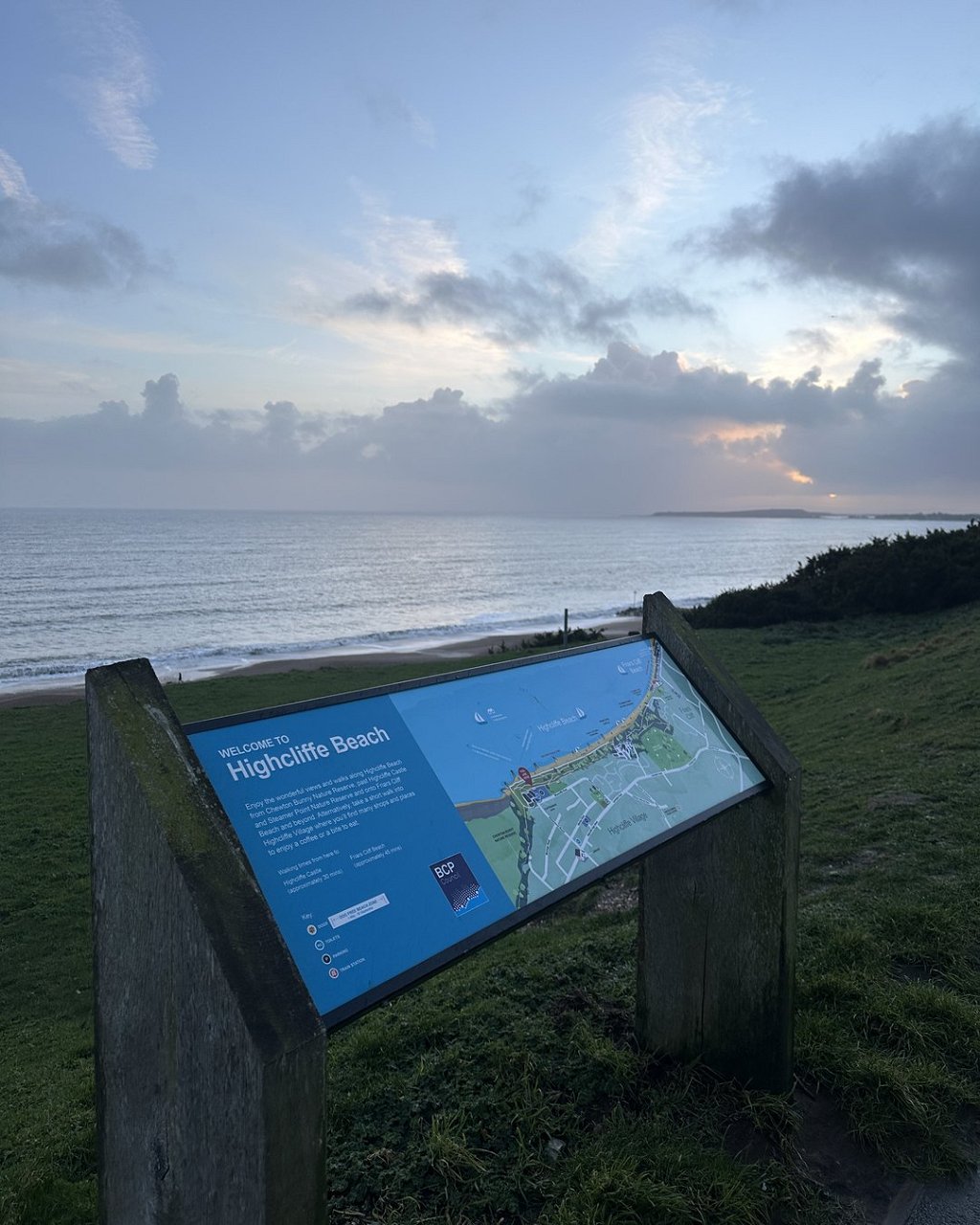
Steamer Point takes its name from a real boat. In 1830 Lord Stuart de Rothesay, the man behind Highcliffe Castle, had a steamer hauled into a gap in the cliff and wedged between two holly trees to use as a sea lodge. It was derelict by about 1900. The same clifftop later hosted wartime radar research and, from the 1960s, work on the Skynet military satellites. Three circular concrete bases in the woods once held the satellite dishes.
Harry Gordon Selfridge, founder of the Oxford Street store, leased Highcliffe Castle from 1916 to 1922. He put in bathrooms and steam central heating, and in 1919 he bought Hengistbury Head with plans for a vast house holding 250 guest suites. It was never built. He died in 1947 with his fortune gone and lies under a plain headstone at St Mark's Church in Highcliffe, beside the grander tombs of his mother and his wife.
Christchurch is best known for its Priory, its Norman castle and its harbour. It is also where the Bailey bridge was designed during the Second World War and where Horsa gliders were built.
Sir Donald Bailey designed it at the Experimental Bridging Establishment at Christchurch Barracks in 1940 and 1941. A memorial section of the bridge stands beside Barrack Road.
Harry Gordon Selfridge is buried in the churchyard of St Mark's Church, Hinton Wood Avenue, Highcliffe, alongside his mother and his wife.
In 1830 Lord Stuart de Rothesay had a steamer hauled into a gap in the cliff and wedged between two holly trees to use as a sea lodge. The boat has gone but the name stayed.
Yes. Trams ran from Poole over Tuckton Bridge and down Christchurch High Street from 1905 to 1936. Trolleybuses replaced them until 1969.
Featured Listings
Ocean Film Festival World Tour at The Regent, Christchurch

A night of short films about the sea, from the...
Stompin' on the Quomps | Christchurch's Beloved Jazz Festival on the Quay
Discover the story behind Stompin’ on the...
October in Christchurch: 5 Brilliant Things to See, Do and Enjoy

October in Christchurch brings autumn markets,...
Harbour Blend Cafe - A Fresh Blend in Christchurch

Discover The Harbour Blend Co, a colourful new...
Cultural and Arts Clubs in Christchurch & Highcliffe

Find out more about the Cultural and Arts Clubs in...
Best Areas to Live in Christchurch: Town Centre, Mudeford, Highcliffe and Beyond
Where should you live in Christchurch, Dorset?...
GIANT – The Play at The Regent, Christchurch
The Olivier-winning play GIANT, filmed live in the...
Coastal Awnings & Verandas

Coastal Awnings & Verandas is a reputable company...
Christchurch Girl Guiding

Girl Guiding is an excellent club for young...
Skin Rejuvenation with Profhilo

How Profhilo works, who it suits and what to...