

 Spanish
 Chinese (simplified)
 Dutch
 French
 German
 Italian
 Norwegian
 Polish
 Romanian
 Russian




Click to view Facebook page
Find out more about Christchurch's long, rich history, and the monuments to that past that can still be seen today. From the impressive Christchurch Castle, to the ancient ducking stool, Christchurch has a wealth of fascinating historical locations bound to inspire wonder.

Please complete the contact form below for more information.

Click to view Facebook page
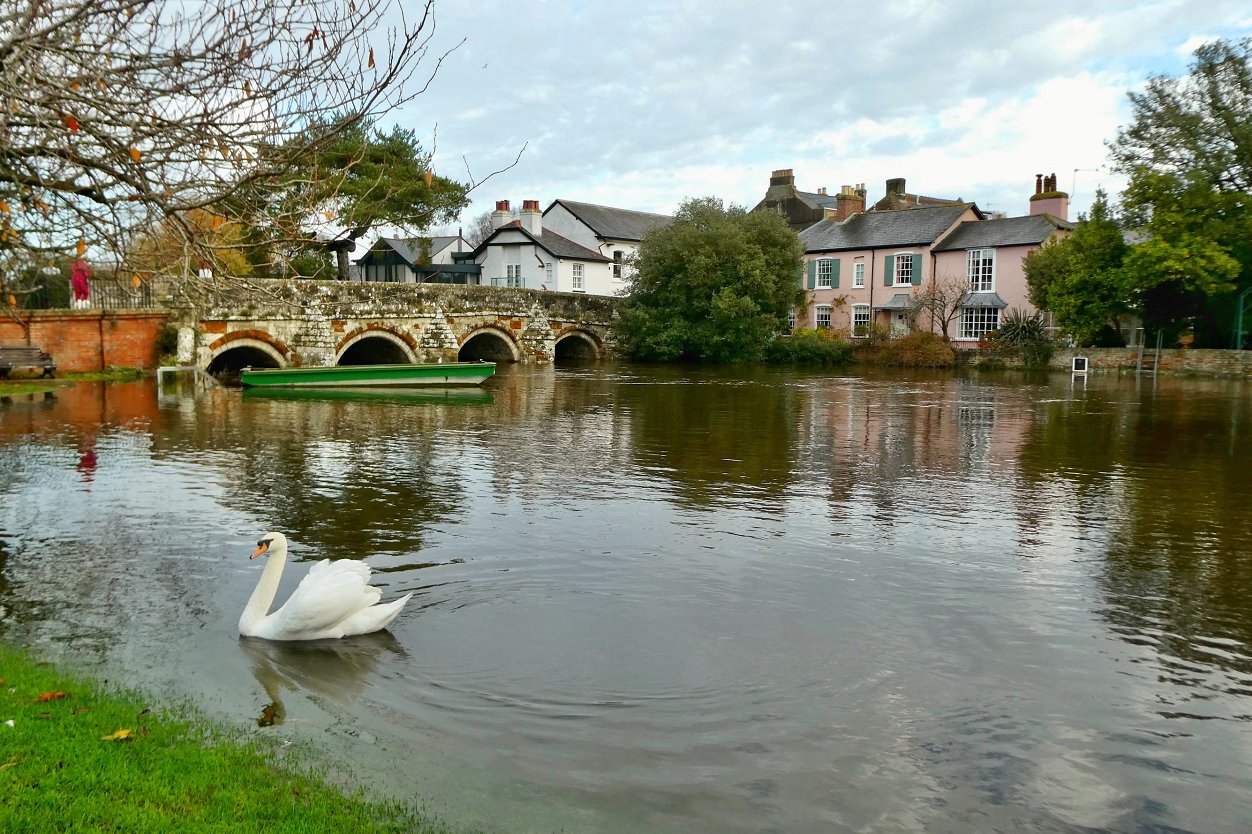
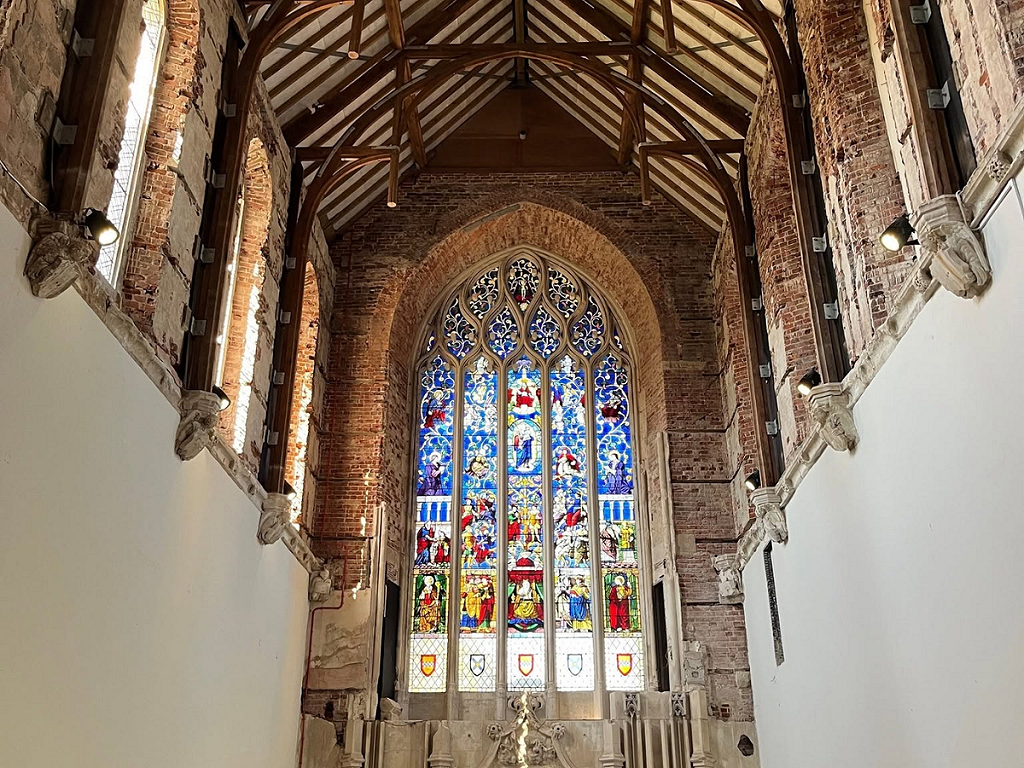
Christchurch’s past is easy to encounter on foot. Around its town centre, castle ruins overlook the streets, the Priory rises above the riverside and a former workhouse tells the stories of people who lived and worked here.
Its surviving buildings reveal different chapters of local history, from medieval power and religious life to milling, trade and the workhouse. Several stand close together, making them easy to combine into a morning or afternoon of exploring.
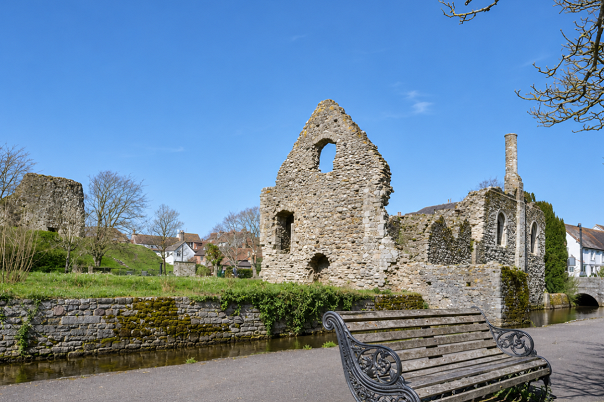
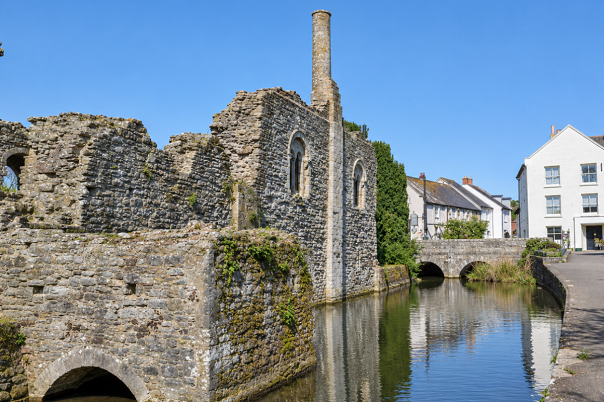
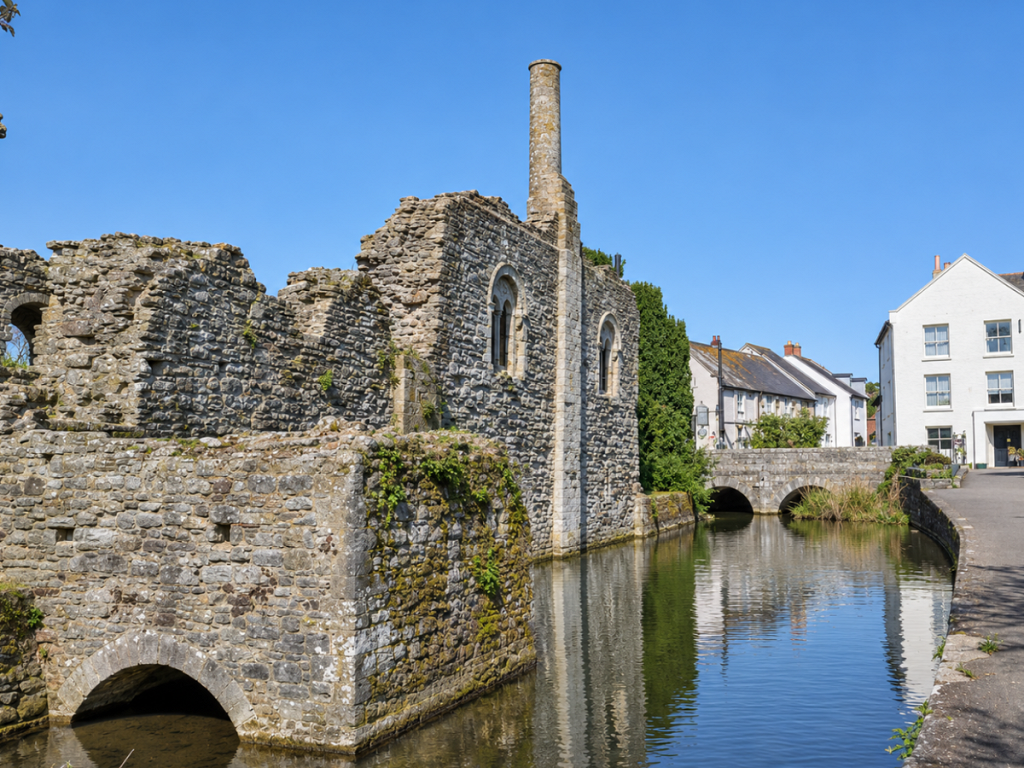
Christchurch Castle and Norman House are among the town’s most distinctive historic landmarks.
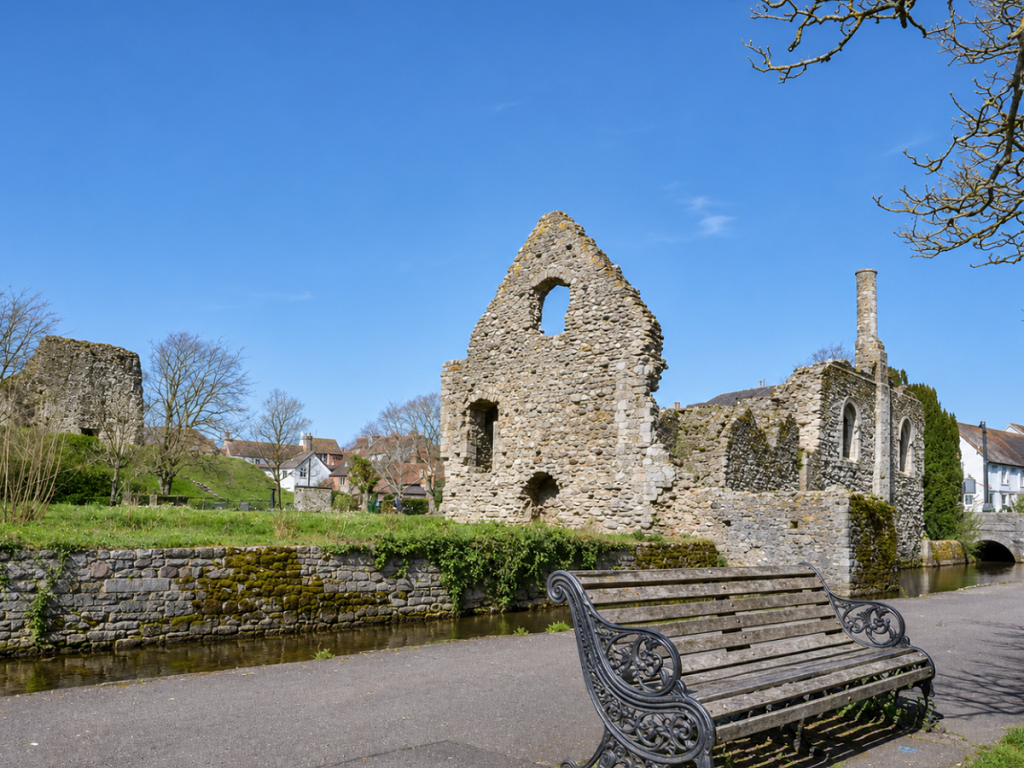
The mound-top keep formed part of a substantial Norman castle. Nearby, beside the mill stream, Norman House preserves a rare example of domestic Norman architecture. English Heritage now dates this riverside residence to probably the 1180s or 1190s.
Look for its tall circular chimney, an unusual survival that helps explain how this building once provided comfortable accommodation for the lord of Christchurch.
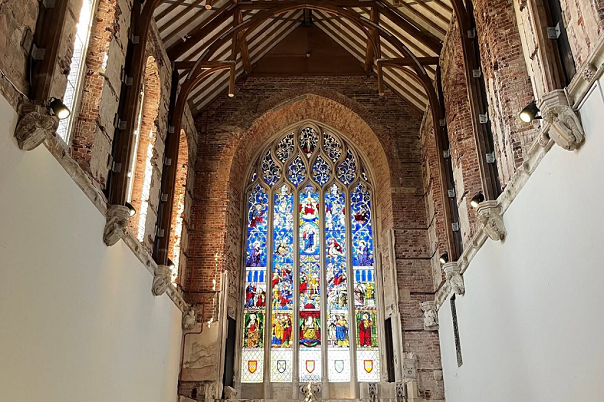
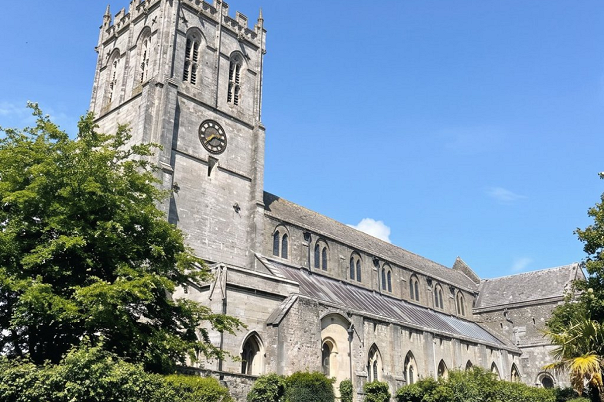
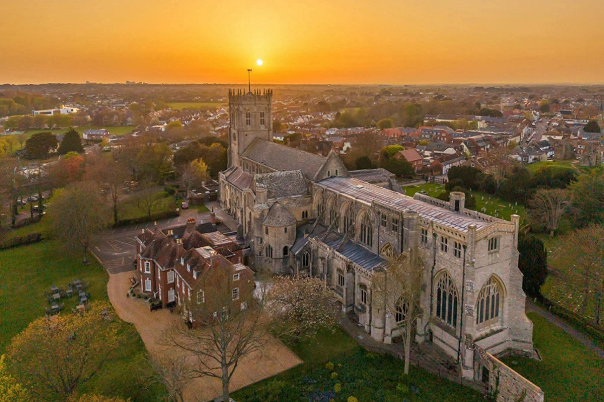
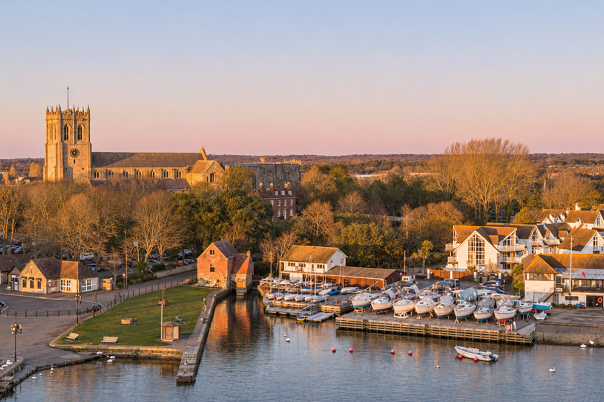
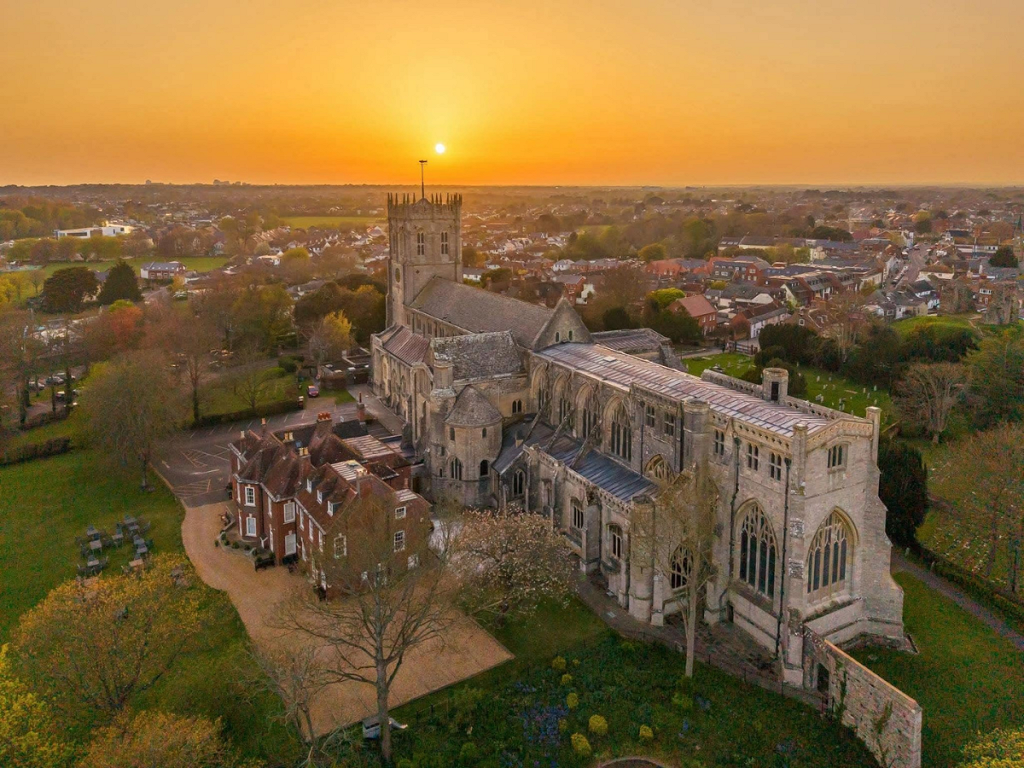
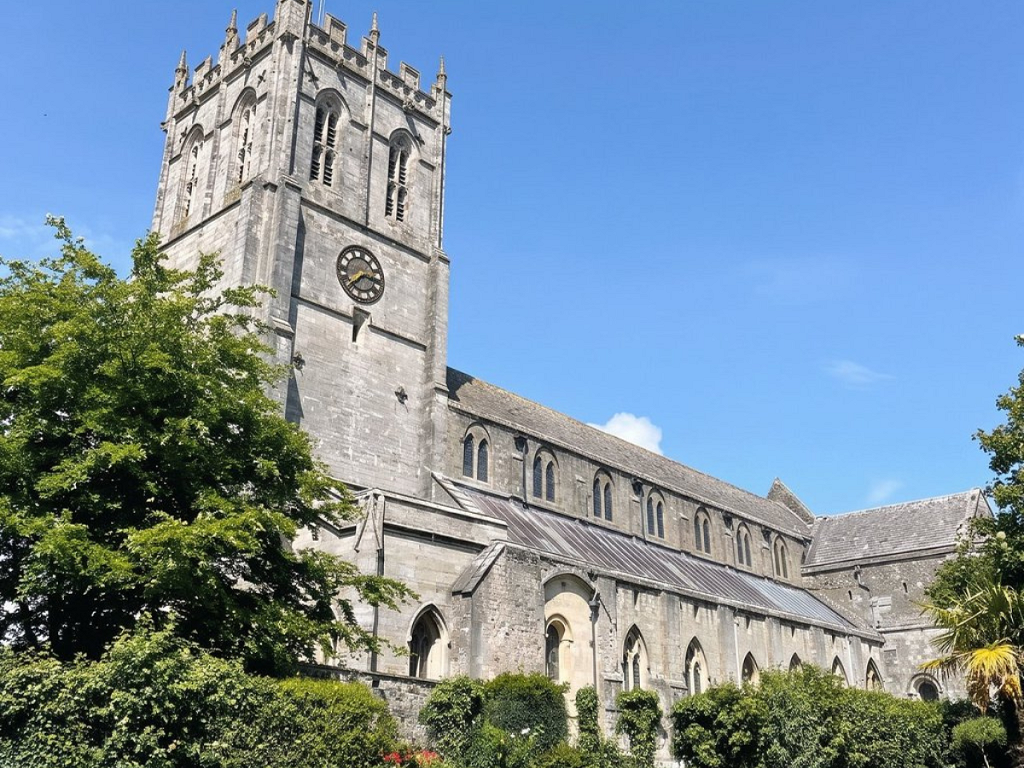
Christchurch Priory remains a working church as well as one of the town’s principal historic attractions.
Building of the present Norman church began in 1094, on the site of an earlier Saxon religious foundation. Later generations extended and altered it, creating the building visitors see today.
Take time to appreciate its scale, architecture and quieter corners. The visit works well alongside the nearby castle ruins: together they introduce the religious and secular centres of medieval Christchurch.
At the end of Ducking Stool Lane, beside the mill stream, this small landmark reveals a more uncomfortable aspect of local history.
The structure visible today is a replica. It represents a punishment recorded in Christchurch from the mid-14th century, in which people were restrained and immersed in water.
BCP’s cultural trail explains that the punishment was associated with women convicted as “scolds”, a historical label applied to certain forms of allegedly disruptive behaviour. It was not a device for identifying witches.

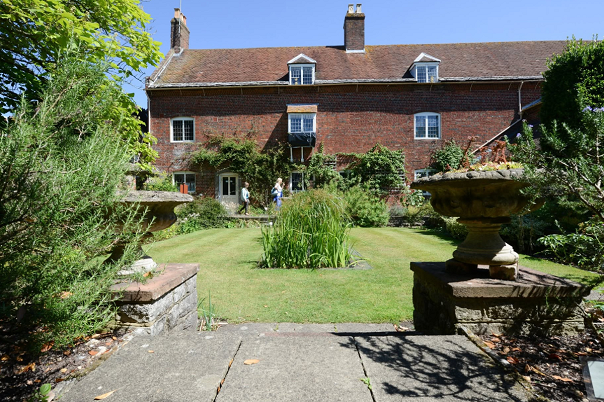
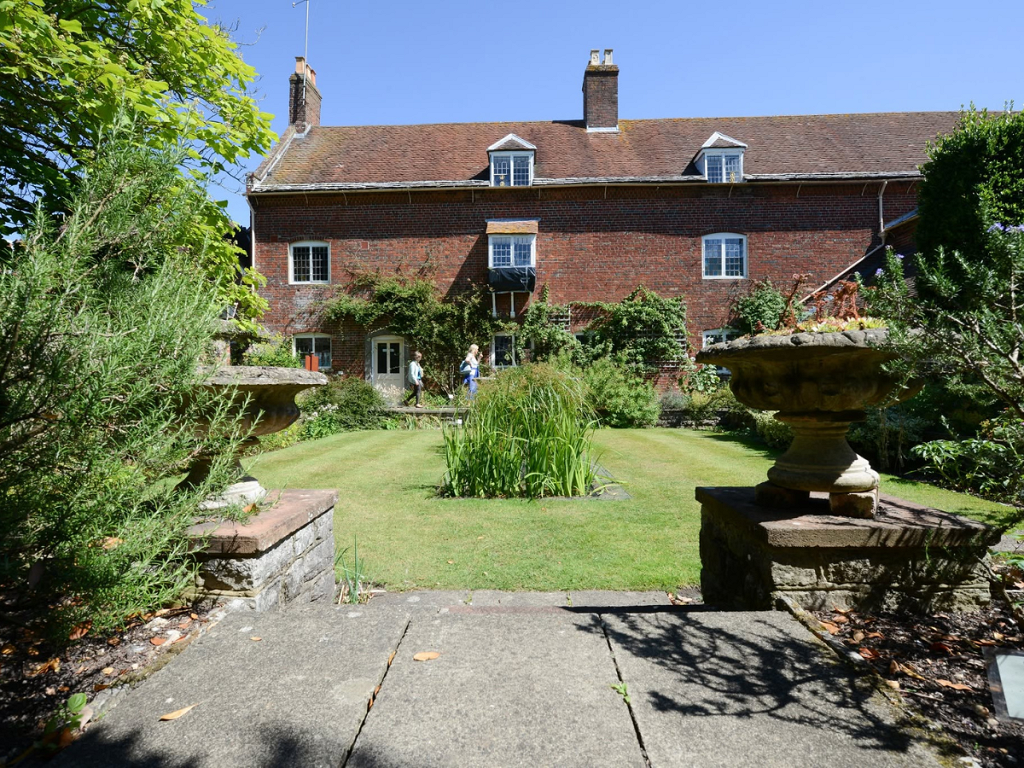
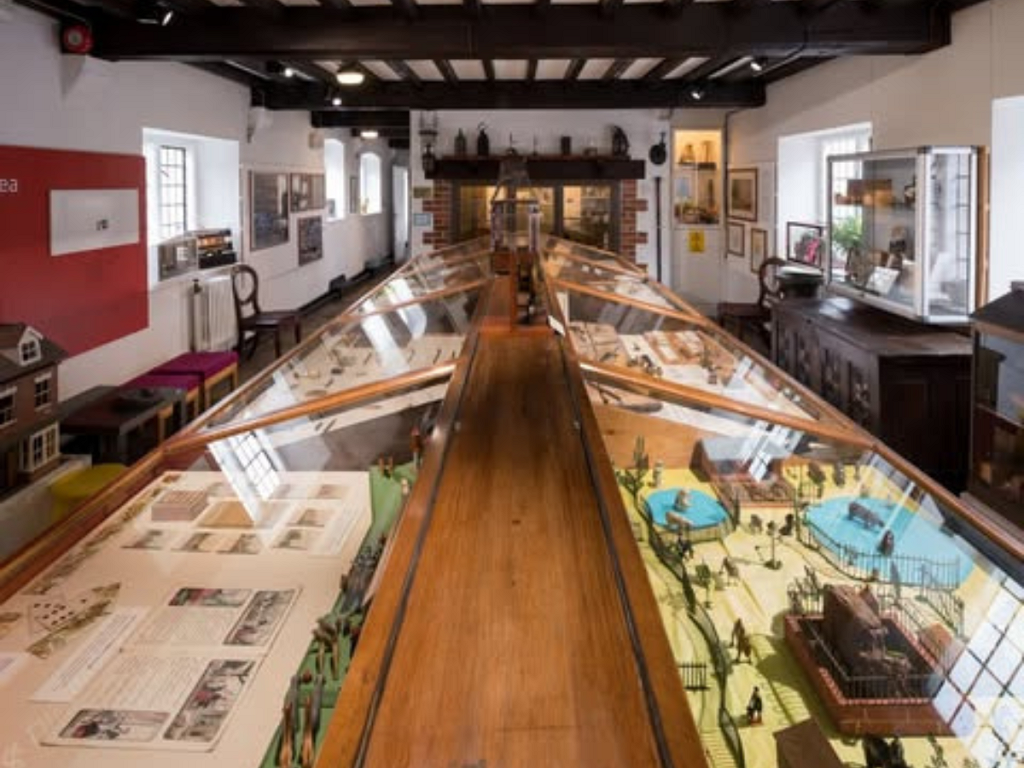
The Red House Museum adds the stories of ordinary residents to a day spent exploring churches and castles.
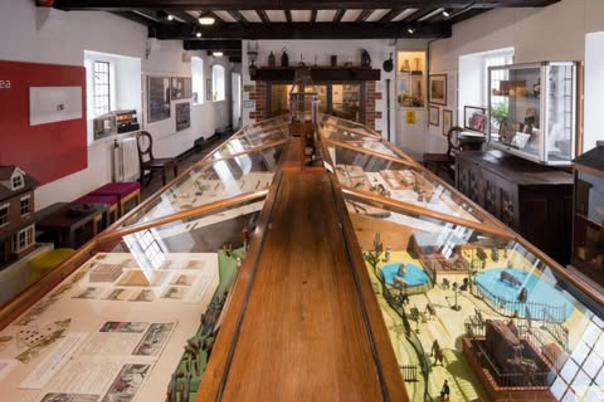
Built in 1764 as a workhouse, the building now houses displays about Christchurch’s archaeology, social history and local industries. Its collections connect the wider area’s early history with the lives and trades of more recent generations.
The museum also has gardens and changing exhibitions, making it a useful stop for families and visitors who want to spend longer exploring the town’s past.
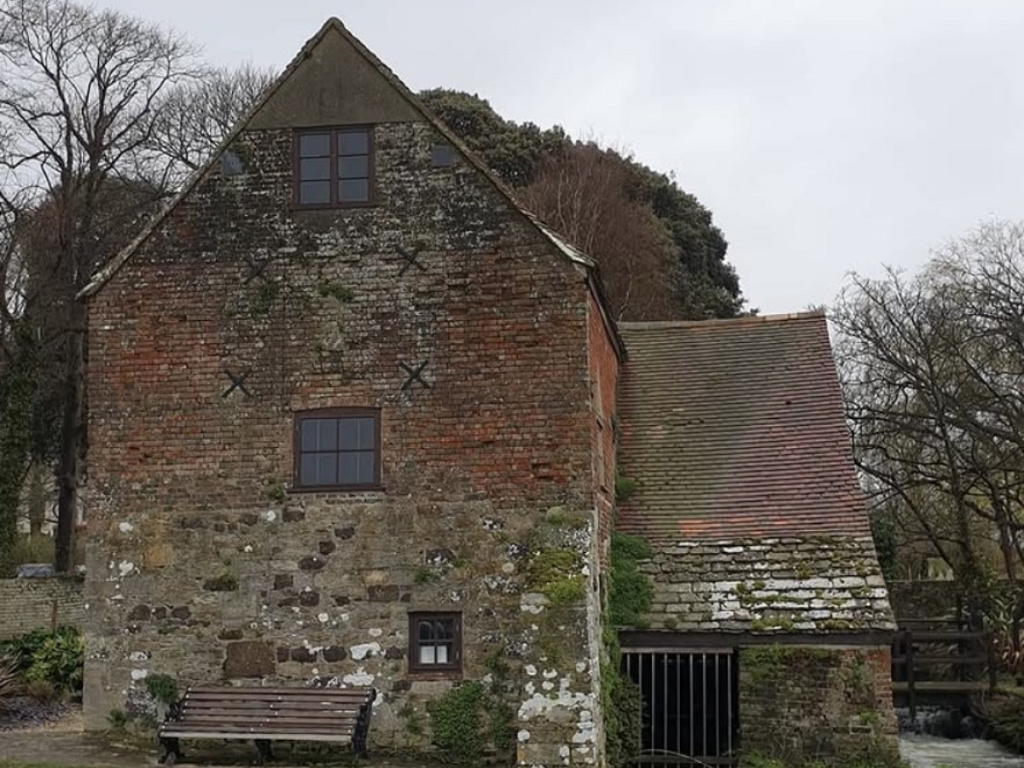
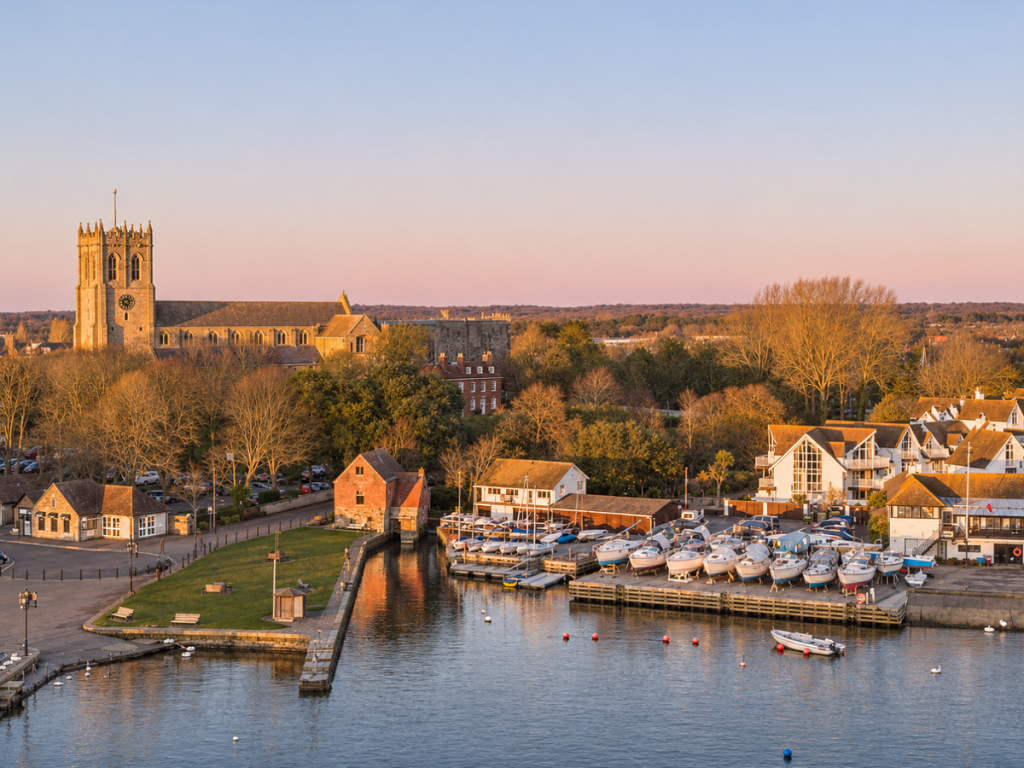
Place Mill brings a different part of Christchurch’s heritage into view: the working riverside.
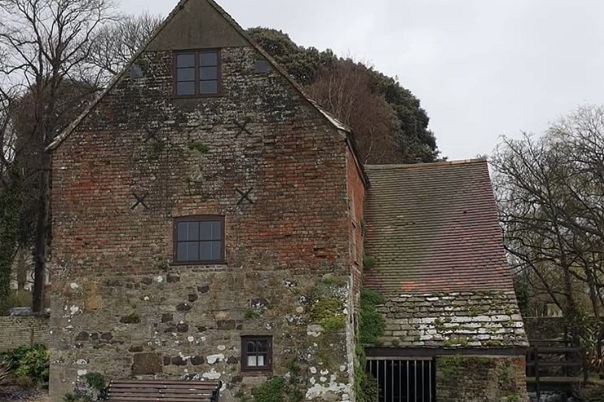
The historic watermill stands on Christchurch Quay and appears in the Domesday record. It continued grinding corn until 1908, later serving as a boatshed before being restored.
Today, it is used for art exhibitions, with interior access dependent on seasonal opening. Even when closed, its exterior makes an interesting stop on a walk around the Quay.
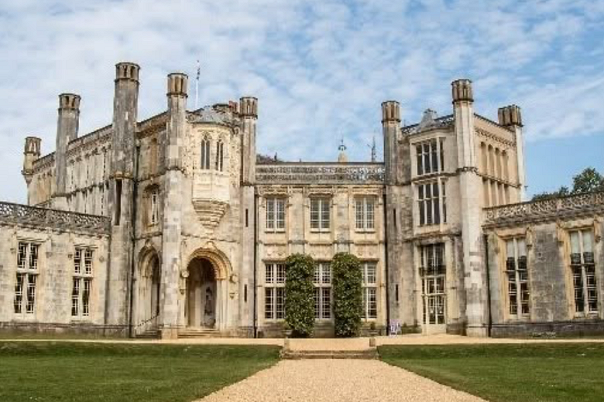
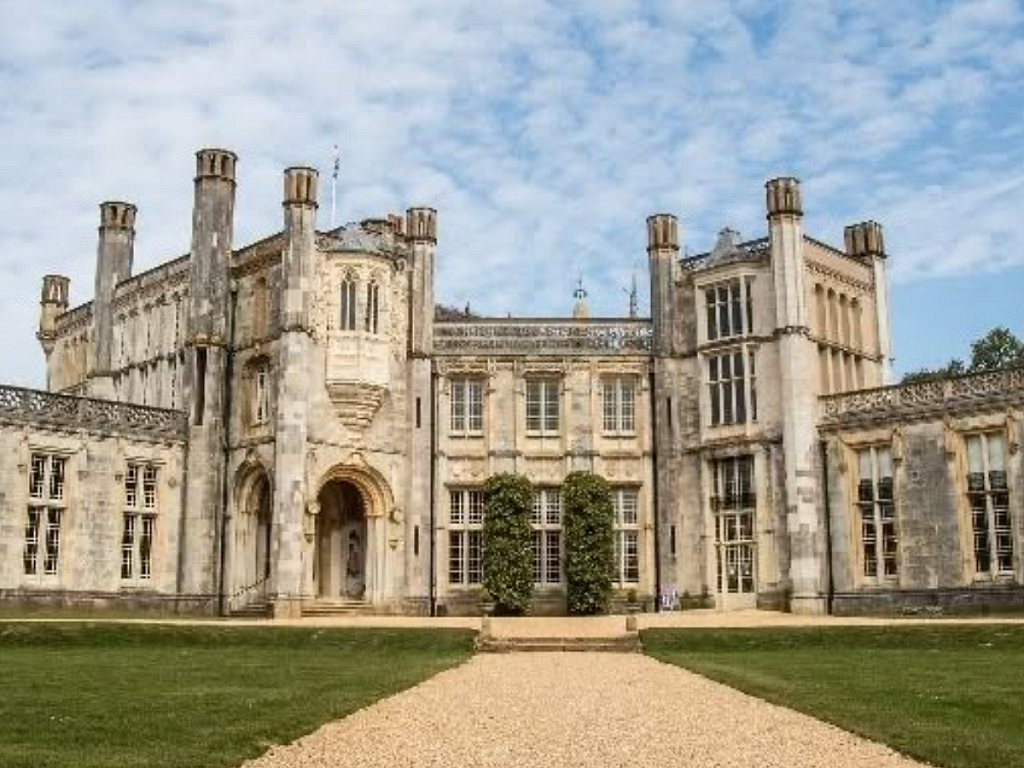
Highcliffe Castle makes a worthwhile separate heritage visit beyond Christchurch town centre.
Although its towers, carved stone and Gothic features suggest a much older building, the castle was constructed between 1831 and 1836 for Lord Stuart de Rothesay.
Its design incorporates medieval French masonry, helping give the house its distinctive appearance. The contrast between its 19th-century construction and older architectural fragments is one of the most interesting things to look for.
For a first visit, we suggest allowing half a day to explore the town-centre sights at a relaxed pace, including time inside the Priory and museum when open.
This is a suggested itinerary rather than a waymarked or accessibility-audited route. You can shorten it by viewing the outdoor landmarks only, or spend longer at the museum and riverside.
Plan Highcliffe Castle as a separate outing or an additional stop with transport.
Click to view Facebook page
Featured Listings
Mathews Shoes: Family-run Independent Shoe Shop in Christchurch
Discover Mathews Shoes in Christchurch, a...
National Theatre Live: Hay Fever at The Regent, Christchurch

Christine Baranski and Richard E. Grant star in...
House of Lights - Lighting Shop Bournemouth
House of Lights Bournemouth is a trusted lighting...
Vicky Jackson as Pink at The Regent, Christchurch

Vicky Jackson’s Pink tribute plays The Regent on...
Things to Do in Christchurch, Dorset: Places to Visit & Explore
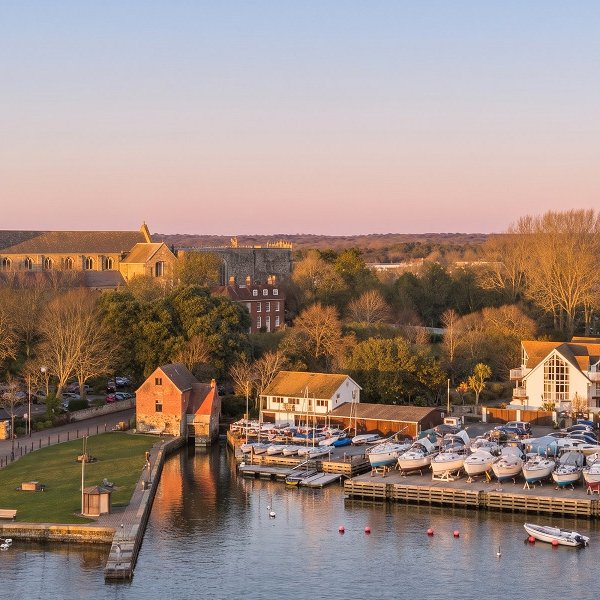
Things to do in Christchurch, Dorset, from the...
A Wedding Cake Should Be Remembered Long After the Last Slice

Discover how By Helena Jane creates elegant,...
Denisons | Christchurch Based Estate Agents

Denisons is an established independent estate...
The West End Tenors at The Regent, Christchurch

The West End Tenors bring their first UK tour to...
Dorset List: Locksmiths in Dorset

Find Locksmiths in Bournemouth, Christchurch,...
Shopping in Christchurch: Independent Shops, High Street and Saxon Square

Discover the best places to go shopping in...