Discover Christchurch Castle and Norman House, two of Dorset's most fascinating medieval landmarks. Explore the remains of a Norman motte-and-bailey castle and a remarkable 12th-century riverside residence, complete with one of England's rare surviving Norman chimneys. Find out more about their history, free admission, opening times, parking and accessibility.

Christchurch Castle and Norman House are two of the town's most important historic landmarks, offering visitors a fascinating glimpse into medieval Christchurch.
Located just a short walk from the High Street and Christchurch Priory, the remains of the once-impressive Norman castle stand within peaceful grounds overlooking the surrounding town.
The mound-top keep and tower once dominated Christchurch, while the nearby Norman House provided grand living accommodation for the lord of Christchurch and his household.
Today, both sites are cared for by English Heritage and can be explored free of charge, making them an excellent addition to a day out in Christchurch.
For medieval history, rare Norman architecture or simply somewhere different to explore, Christchurch Castle and Norman House are well worth visiting.


Christchurch Castle dates back to the early 12th century, when the town was an important settlement known as Twynham.
The castle was probably established by Richard de Redvers, a Norman nobleman who received extensive lands from King Henry I.
Built within the boundaries of the earlier Anglo-Saxon fortified town, the castle originally consisted of a large earthen mound, known as a motte, topped with a timber tower.
A larger defended enclosure, called a bailey, contained buildings and provided accommodation for the castle's occupants.
The castle's position allowed its owners to oversee the surrounding settlement and reinforce their authority over Christchurch and its important river connections.
Over time, the timber fortifications were replaced or strengthened with stone buildings, including the impressive keep whose remains can still be seen today.
For approximately 200 years, Christchurch Castle was associated with the powerful de Redvers family, who became Earls of Devon.
The family also held important estates elsewhere in southern England, including Carisbrooke Castle on the Isle of Wight.
Christchurch Castle served as a fortified residence and administrative centre, with its buildings reflecting the wealth and influence of its owners.
The castle eventually passed into royal ownership following the death of Isabella de Fortibus, Countess of Devon, in 1293.
Christchurch Castle witnessed conflict during two major periods of English history.
During the 12th-century civil war known as the Anarchy, the castle was attacked in 1147 or 1148, when supporters of King Stephen and Empress Matilda fought for control of England.
Centuries later, Christchurch became involved in the English Civil War during the 1640s.
The castle and town changed hands during the conflict, and the castle was eventually ordered to be demolished in 1651 following the Parliamentarian victory.
Much of the structure was dismantled, leaving the ruined walls and earthworks that survive today.
Although only part of the original castle remains, its position and surviving stonework provide a reminder of the building's former importance.
Visitors can explore the surviving remains of the stone keep, situated on top of the original castle mound.
Only two substantial walls of the keep remain, but they provide an insight into the size and strength of the medieval fortress.
The surrounding grassy area also gives visitors an opportunity to appreciate the layout of the former castle.
The space between the keep and Norman House, now used as a bowling green, originally formed part of the defended castle enclosure.
Although many of the original buildings have disappeared, the surviving ruins remain an interesting feature of Christchurch's historic town centre.
Good to Know: The mound is steep, and paths near the upper ruins can be uneven. Visitors should take care when exploring and must not climb on the historic walls.
Located close to Christchurch Castle, Norman House is one of the few surviving examples of Norman domestic architecture in England.
The building, also known as the Constable's House, was constructed during the second half of the 12th century, most probably in the 1180s or 1190s.
Unlike the castle keep, which was designed to demonstrate power and provide defence, Norman House offered more comfortable accommodation for the lord of Christchurch.
The original building included an impressive first-floor chamber, fireplaces, decorated windows and private living spaces.
The upper rooms would have provided accommodation suitable for an important medieval nobleman, while the ground floor may have been used for storage or servants.
Although the building is now a ruin, enough of its original stonework remains to reveal its remarkable architectural design.
One of Norman House's most distinctive features is its tall circular chimney.
The chimney is a particularly rare survival of medieval domestic architecture and provides evidence of the relatively sophisticated accommodation once available within the building.
Visitors can also admire the surviving Norman windows, stone arches and sections of the original walls.
These details make Norman House especially interesting for anyone who enjoys architecture or medieval history.
Over the centuries, the management of Christchurch Castle passed between different noble families and royal authorities.
Although the building was originally associated with the lord of Christchurch, it later became accommodation for the castle's constable or steward.
These officials were responsible for looking after the castle, managing its affairs and representing the interests of its owners.
As a result, the building became known as the Constable's House, a name still used today.
Christchurch Castle and Norman House are situated within attractive historic surroundings, making them a pleasant place for a short walk.
The castle grounds offer grassy open spaces, while Norman House sits beside a picturesque mill stream.
The surviving stone walls, nearby bridge and surrounding greenery create a particularly attractive setting for photography.
Visitors can also enjoy the contrast between the medieval ruins and the historic buildings of Christchurch town centre.
The location makes it easy to combine a visit with nearby attractions, including Christchurch Priory and the Quay.
For families, the ruins provide an opportunity to introduce children to medieval history while exploring the town on foot.
Yes, admission to Christchurch Castle and Norman House is completely free.
Both landmarks are managed by English Heritage, and visitors do not need to purchase a ticket to explore the accessible remains.
The sites are open to members of the public during reasonable daylight hours throughout the year.
There is no requirement to be an English Heritage member.
Occasional organised activities, including yoga and meditation sessions held at the site, may have separate charges.
Good to Know: There are no staffed ticket offices or regular guided entry arrangements. Visitors can explore the ruins independently.
Christchurch Castle and Norman House are open throughout the year.
Published Opening Arrangements:
Monday: Open during reasonable daylight hours.
Tuesday: Open during reasonable daylight hours.
Wednesday: Open during reasonable daylight hours.
Thursday: Open during reasonable daylight hours.
Friday: Open during reasonable daylight hours.
Saturday: Open during reasonable daylight hours.
Sunday: Open during reasonable daylight hours.
There are no fixed daily opening or closing times published for regular visits.
Visitors are advised to explore during daylight, particularly because some paths and surfaces are uneven.
For current information, check the English Heritage Christchurch Castle and Norman House page.
Christchurch Castle and Norman House are located close to the town centre, making them easy to reach on foot, by car or using public transport.
Address: High Street, Christchurch, Dorset, BH23 1AS.
English Heritage confirms that a chargeable public car park is located within approximately three minutes' walk of the site.
The nearby Wick Lane car park, behind the Regent Centre, is a convenient option for visitors exploring the historic town centre.
Other public car parks are available around Christchurch, although charges and restrictions vary.
Parking is not managed by English Heritage, so visitors should check the latest local tariffs before travelling.
The castle ruins are just a short walk from Christchurch High Street.
From the town centre, head towards Castle Street and the historic area surrounding Christchurch Priory.
The castle mound and Norman House are situated close together and can easily be explored as part of a walking route through central Christchurch.
Christchurch railway station is approximately 0.6 miles, or around 1km, from the site.
Local bus services stop along Christchurch High Street, approximately 0.2 miles from the ruins.
The central location makes Christchurch Castle and Norman House particularly convenient for visitors arriving without a car.
As historic medieval ruins, Christchurch Castle and Norman House have some accessibility limitations.
English Heritage confirms that a dirt path runs around the base of the castle keep, which is suitable for wheelchairs and pushchairs.
However, the climb to the upper castle remains is steep, and the ground becomes uneven in places.
Some parts of the historic site also contain steps, rough surfaces and changes in ground level.
Accessibility Information
Wheelchair Access: A path around the base of the keep is suitable for wheelchairs.
Pushchairs: The lower path is suitable for pushchairs, although access to the upper ruins is more challenging.
Castle Mound: A steep climb is required to reach the upper remains.
Ground Surfaces: Dirt paths, grass and uneven historic surfaces.
Seating: Public seating is available in the surrounding area.
Toilets: No dedicated visitor toilets are advertised at the ruins.
Assistance Dogs: Welcome.
Visitors with mobility requirements may prefer to enjoy the castle from the lower path rather than attempting the climb to the keep.
Christchurch Castle and Norman House can be an enjoyable free activity for families interested in history.
Children can discover the remains of a medieval castle, imagine how the original fortress may have looked and explore the surrounding historic environment.
The contrast between the mound-top keep and the riverside Norman House also provides an opportunity to discuss how castles were used for both defence and everyday living.
Families can combine the visit with nearby Christchurch Priory or continue towards Christchurch Quay and the Quomps playground.
Family Information
Best For: School-age children and families interested in history.
Admission: Free.
Time Needed: Approximately 30 minutes to one hour.
Pushchair Access: Suitable around the base of the keep; more difficult on the mound.
Facilities: No dedicated visitor facilities at the ruins.
Good to Know: Children should be supervised closely around the ruined walls, steep slopes and waterside areas.
Yes, dogs are welcome at Christchurch Castle and Norman House, provided they are kept on leads.
Owners should ensure dogs remain under control, avoid disturbing other visitors and clean up after them.
The surrounding historic streets and nearby open spaces also make the area a pleasant stop during a walk around Christchurch.
Christchurch Castle and Norman House are ideally located for exploring more of the town's history and attractions.
Just a short walk away, Christchurch Priory is one of Dorset's most magnificent historic churches.
Visitors can admire more than 900 years of architecture, discover the famous miraculous beam legend and explore the impressive interior.
General admission is free, although guided tours and special events may have charges.
The beautiful Christchurch Quay offers riverside walks, cafés, picnic spaces and wonderful views across the River Stour.
Families can also enjoy the Quomps playground and seasonal splash park.
Located close to Christchurch Priory, the Red House Museum offers opportunities to discover more about the town's history through exhibitions and historic collections.
General admission is free, making it another excellent addition to a budget-friendly day out.
Address: Christchurch Castle and Norman House, High Street, Christchurch, Dorset, BH23 1AS.
Admission: Free.
Opening Hours: Reasonable daylight hours throughout the year.
Booking: Not required for general visits.
Parking: Chargeable public parking within approximately three minutes' walk.
Accessibility: Path around the base of the keep suitable for wheelchairs and pushchairs; steep climb to the upper ruins.
Dogs: Welcome on leads.
Toilets: No dedicated visitor toilet facilities.
Suggested Visit Duration: 30 minutes to one hour.
Managed By: English Heritage.
Official Website: Christchurch Castle and Norman House – English Heritage.


Featured Listings
Creatives at the Castle 2026: Christmas Market at Highcliffe Castle
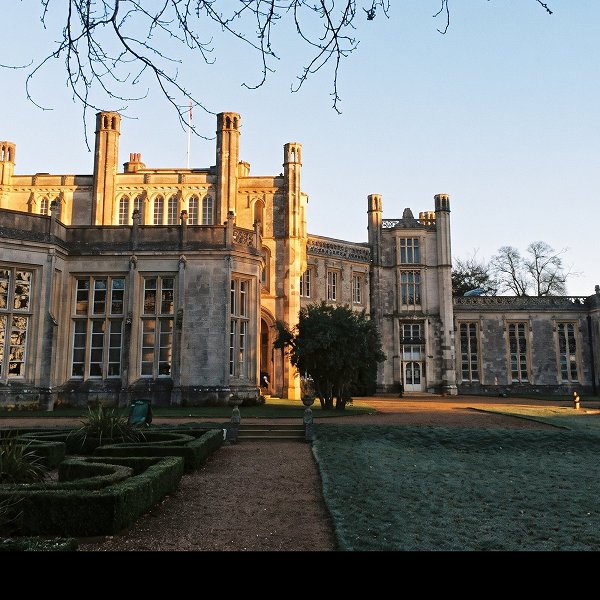
More than 40 local makers and traders sell...
Hallmark Kitchen Designs: Bespoke Kitchens in Christchurch & Dorset

Discover Hallmark Kitchen Designs, an independent...
Christchurch Home Inspirations: Five Ways to Make More of the Rooms You Live In This Autumn
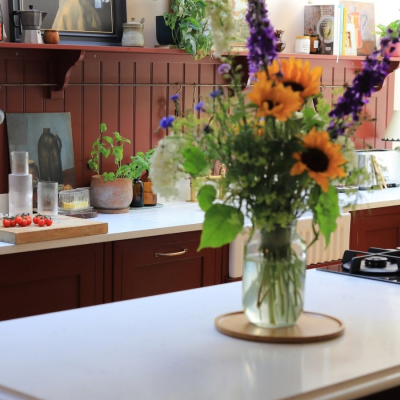
Looking for fresh home inspiration in Christchurch...
Some Guys Have All The Luck at The Regent, Christchurch

Some Guys Have All The Luck, the Rod Stewart show,...
Christchurch Life Saving Club

Founded in 1970, Christchurch Life Saving Club...
Bournecoast Ltd - Holiday Lettings Bournemouth

Bournecoast Ltd is a family-run property agency...
Dance of the Emerald Isle at The Regent, Christchurch
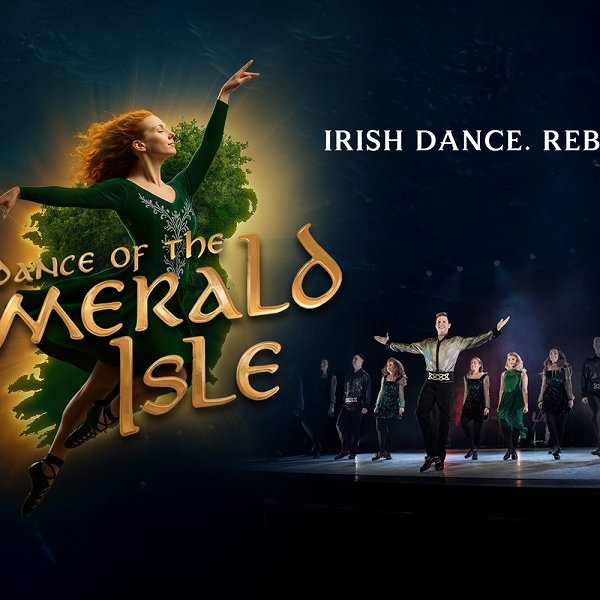
Dance of the Emerald Isle tours the 32 counties of...
Personal Bra Fitting at Mabel & Jacks: Confidence Starts with the Right Fit

Discover the personal bra fitting service at Mabel...
Christchurch Life Drawing Group
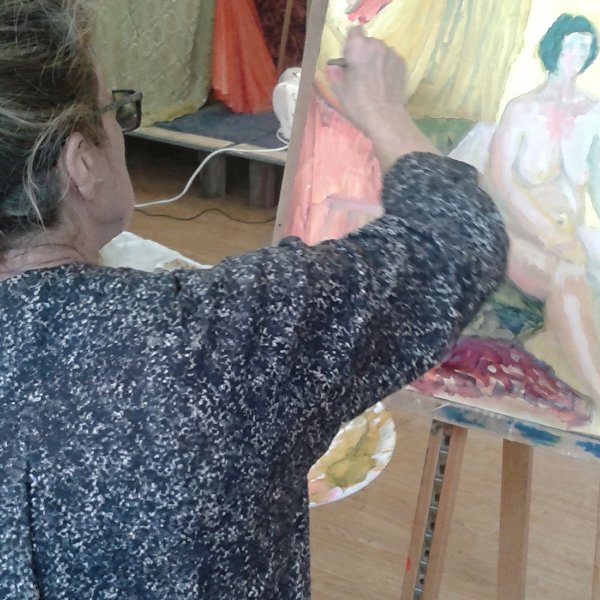
Christchurch Life Drawing Group are a monthly...
A Taste of Naples Arrives in Christchurch at BUCO Artisan Pizzeria

Discover BUCO Artisan Pizzeria, Christchurch's...


 Spanish
 Chinese (simplified)
 Dutch
 French
 German
 Italian
 Norwegian
 Polish
 Romanian
 Russian


