Buying a home in Christchurch, Dorset, involves more than choosing between a coastal address and a convenient residential neighbourhood. Flood information, building condition, parking, leasehold charges and planning restrictions can all affect whether a property is right for you. Our guide explains the practical checks buyers can make themselves, the questions to raise with a solicitor or surveyor, and how to assess everyday life before committing to a purchase.

15th October 2026
A glimpse of Christchurch Harbour, a character cottage near the town centre or a garden within reach of Highcliffe’s beaches can make a property feel immediately appealing.
The next step is understanding what comes with it. Who maintains the shared access? Is the parking space legally included? Could planned repairs add substantially to your costs?
Across Christchurch, Mudeford, Highcliffe and the surrounding residential areas, the details of the individual property matter more than broad assumptions about its postcode.
We’d use your own visits to understand the setting, then ask the appropriate professionals to investigate the building and legal arrangements. A solicitor or conveyancer handles the legal checks; a surveyor assesses physical condition.
For help choosing locations to investigate, start with our Christchurch neighbourhood guide.

Images: Unsplash
Christchurch’s rivers, harbour and coastline are part of its appeal, but flood enquiries should relate to the particular home you are considering.
Start with the government’s long-term flood-risk service. It provides information about risks including rivers, the sea, surface water and, where available, groundwater.
The service describes risk for an area; it does not establish how likely an individual property is to flood. It also does not cover every possible source, such as blocked drains or burst pipes.
What you can do: look up the location, ask about previous flooding and obtain insurance quotations for the exact address. Compare flood cover, exclusions and excesses, rather than looking only at the premium.
Ask your solicitor: which environmental or flood searches are appropriate, what the seller has disclosed and whether further enquiries are needed.
Ask your surveyor: whether there are signs of previous water damage, drainage concerns or building features that warrant specialist investigation.
A seller saying that the house has never flooded is useful information, but it should not replace searches, professional advice or checking insurance availability.
Christchurch’s housing includes older cottages, bungalows, modern houses and converted or purpose-built flats. The appropriate survey depends on the building’s age, construction, condition and any alterations.
A mortgage valuation is not a substitute for your own survey. RICS explains that the lender’s valuation serves the lender and does not provide the same detail about condition.
At a viewing, note concerns such as staining, cracks, damaged windows, deteriorating exterior finishes or uneven floors. Pass these observations to your surveyor rather than trying to diagnose them yourself.
For an older or coastal property, ask the surveyor to consider the relevant maintenance demands, including roofs, external finishes, exposed fittings and drainage. For a flat, establish how far the survey will cover shared parts of the building.
Read RICS guidance on choosing a home survey.
A home that fits your purchase budget may still need substantial spending after you move in.
Ask the seller about the age and servicing of heating equipment, previous roof work, damp investigations and significant alterations. Request available paperwork and pass it to the relevant professional.
Read the Energy Performance Certificate, but also investigate the heating system, insulation and likely maintenance needs. An attractive interior does not establish the condition of the structure or services.
If the survey recommends further investigation, arrange it before committing. Specialist inspections and written repair quotations can help you understand both the cost and the disruption involved.
For flats, remember that a well-presented apartment may sit within a building requiring expensive communal work.
Parking deserves particular attention around busy town-centre streets, coastal locations and shared developments.
What you can do: visit at different times, try the parking space with your own vehicle and inspect the route between the road and the property. Check practical details such as turning room, visitor parking, bins and deliveries.
Ask your solicitor to confirm:
Whether parking is owned, allocated under a lease or provided through another arrangement.
Whether any right to park is exclusive or shared.
Rights of access over drives, paths and private roads.
Responsibilities and charges for shared maintenance.
Relevant covenants, boundary information and any disclosed disputes.
Do not assume that an area used by the current owner is automatically included in the sale.
If parking depends on a council permit, check eligibility for the exact address. A permit arrangement should not be treated as equivalent to owning an allocated space.
If you are considering a flat in Christchurch, Mudeford or Highcliffe, ask for a clear explanation of the lease and management arrangements.
The Leasehold Advisory Service highlights the importance of checking the remaining lease term, service charges, reserve funds and planned major works before buying.
Ask your solicitor or conveyancer to review:
Lease length: the remaining term and any implications for your mortgage, resale or a future extension.
Ground rent: whether it applies and how it can change.
Service charges: what they cover, recent accounts and the current budget.
Major works: proposed repairs, consultation notices and likely contributions.
Reserve funds: available funds and whether these are expected to cover planned expenditure.
Restrictions: terms affecting pets, alterations, subletting or your intended use.
Management: who is responsible for the building and any relevant disputes or arrears.
Building safety: applicable documentation, works and responsibilities.
“Share of freehold” is not a reason to skip these enquiries. Ask how the ownership and management arrangements operate alongside the lease.
Read the Leasehold Advisory Service’s buying checklist.
For a freehold house on a managed estate, ask separately about estate charges and shared facilities.
Use BCP Council’s planning register to investigate the property and nearby sites.
Look beyond whether an application was approved. Read the decision, relevant plans and conditions, and note any applications still awaiting a decision. The council’s register also allows you to follow applications and view recently submitted proposals.
What you can do: search the address and surrounding roads, and identify proposals you want explained.
Ask your solicitor: whether existing extensions, conversions or other works have the necessary permissions, building-regulations documentation and evidence relevant to the purchase.
Ask your surveyor: whether alterations appear to raise structural or condition concerns.
Planning permission and building-regulations approval serve different purposes. Ask your solicitor to establish which documents are relevant rather than assuming one approval covers everything.
If neighbouring land or an outlook is important to your decision, tell your solicitor explicitly. Ask what the normal searches cover and whether additional enquiries are appropriate.
Christchurch’s historic character is part of its attraction, but some properties come with restrictions affecting future work.
BCP Council identifies conservation areas including Mudeford Quay and publishes maps so buyers can check boundaries. Within conservation areas, some work that might otherwise be permitted requires planning permission.
Do not assume that every property in a neighbourhood has the same designation.
If you hope to replace windows, extend, change the roof or alter trees, investigate before relying on those plans. Ask your solicitor to check relevant designations and restrictions, including listed status, Article 4 directions and tree protections where applicable.
For substantial proposals, seek planning or conservation advice as well as building advice. An estate agent describing “scope to extend” does not establish that permission will be available.
Check BCP Council’s conservation-area information.
Some of the most useful checks need your time rather than another document.
Visit during a weekday commute, in the evening and at a weekend. Notice traffic, nearby activity, lighting and how easy it is to reach the places you expect to use.
For a coastal home, compare a busy sunny day with a quieter visit. For an inland property, investigate the actual route to shops, green space and transport.
Try the complete commute from the front door. Our Getting Around Christchurch guide covers stations, bus connections and practical journey planning.
Families should also verify school-place and childcare arrangements. Our Moving to Christchurch with Children guide explains the questions to investigate.
Bring the findings together before making a binding commitment.
Ask your solicitor to explain any unresolved legal issues and confirm that you understand the title, searches, ownership costs and relevant obligations. Discuss survey findings with your surveyor and obtain further investigations or quotations where recommended.
Confirm the insurance arrangements and when cover needs to begin, particularly where a block policy or leasehold arrangement is involved.
Your final decision should reflect the complete picture: the home’s condition, legal position, ongoing costs and how well the location suits your life.
A harbour view or a characterful street can be a wonderful reason to look more closely. Careful checks help you understand what you are buying before you make it your home.
If you enjoyed this, you may also enjoy:
Featured Listings
New £28,000 Plans Revealed to Protect Christchurch Harbour and Improve Water Quality
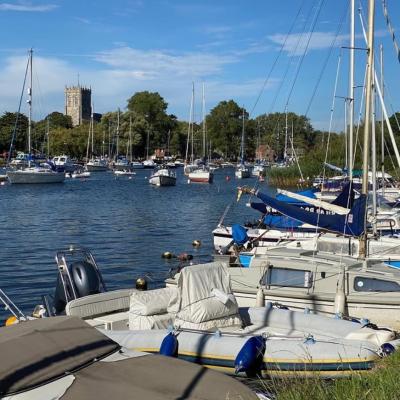
New plans have been announced to help protect...
Highcliffe Food & Arts Festival: 12 - 13 June 2027

Highcliffe Food & Arts Festival returns on...
Furry Little Rascals - Dog Walking & Pet Sitting

Furry Little Rascals offers friendly, professional...
Introducing Hydra-Needling: A New Skin Treatment Arrives in Westbourne and Christchurch

A new facial treatment has arrived at The Venue in...
Just Shutters - Plantation Shutters Bournemouth
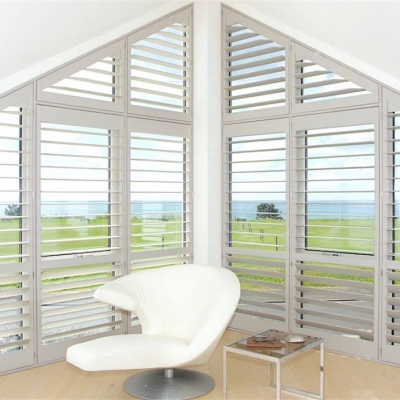
Just Shutters are experts in the creation of...
Christchurch Society of Woodturners

Christchurch Society of Woodturners meet at 7.30pm...
Wise Guys - Computer & Mobile Protection & Repairs

WiseGuys offers Protection Plans and Repair...
Ron Johnsen Independent Optometrist Christchurch
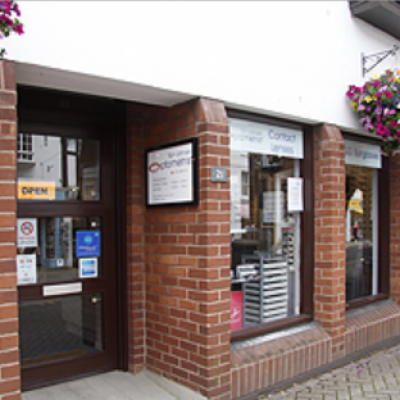
Ron Johnsen is an independent optometrist in the...
Christchurch High Street Shopping: Shops & Visitor Guide

Christchurch High Street combines independent...
What’s On at Highcliffe Castle: Events, Exhibitions and Activities
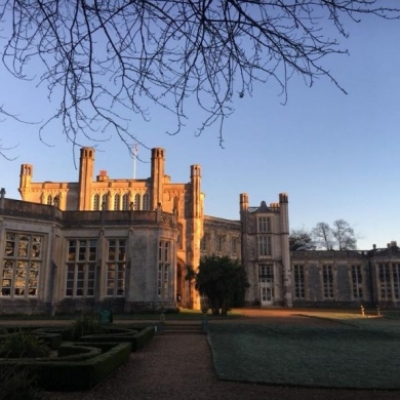
Highcliffe Castle hosts a varied programme of...


 Spanish
 Chinese (simplified)
 Dutch
Dutch French
 German
 Italian
 Norwegian
 Polish
 Romanian
 Russian