

 Spanish
 Chinese (simplified)
 Dutch
 French
 German
 Italian
 Norwegian
 Polish
 Romanian
 Russian
Click to view Facebook page
In July 1784 smugglers dug in at Mudeford Quay fought the Royal Navy for more than three hours. Here is the full story, and what you can still find there today.
18th November 2026

Click to view Facebook page
Most people who park at Mudeford Quay are thinking about crab lines, the ferry or a bag of chips. Very few know they have just parked on a battlefield. On the evening of 15 July 1784, smugglers dug in around this patch of shingle fought the Royal Navy and the revenue services for more than three hours, and the smugglers kept every cask. One naval officer died, one local man was hanged for it two years later, and the ringleader walked away. This is what happened, and what is still there to find.
The trouble started the day before. On Wednesday 14 July 1784 two luggers arrived from Cherbourg and began unloading on Avon Beach, a short walk along the shore from the quay. The man in charge on land was John Streeter of Stanpit. The Christchurch History Society puts the cargo at around 6,000 casks of spirits and 30 tons of tea, shifted by some 300 men with 100 wagons and 400 horses. Other accounts give slightly lower figures, but every version describes one of the biggest smuggling runs recorded on this coast.
A landing that size could not stay secret. The Excise cutter Resolution saw it, weighed up the odds and went to fetch help: the Customs cutter Swan and HMS Orestes, a Royal Navy sloop.
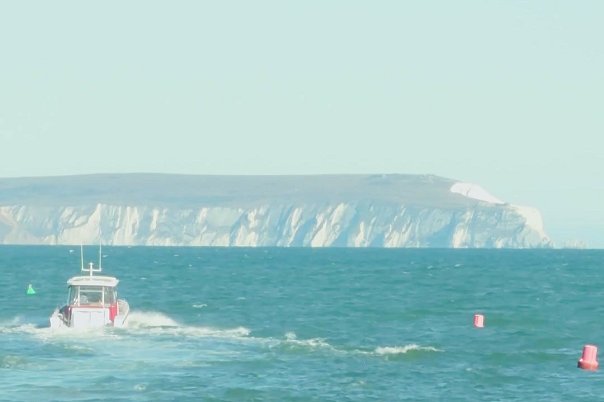
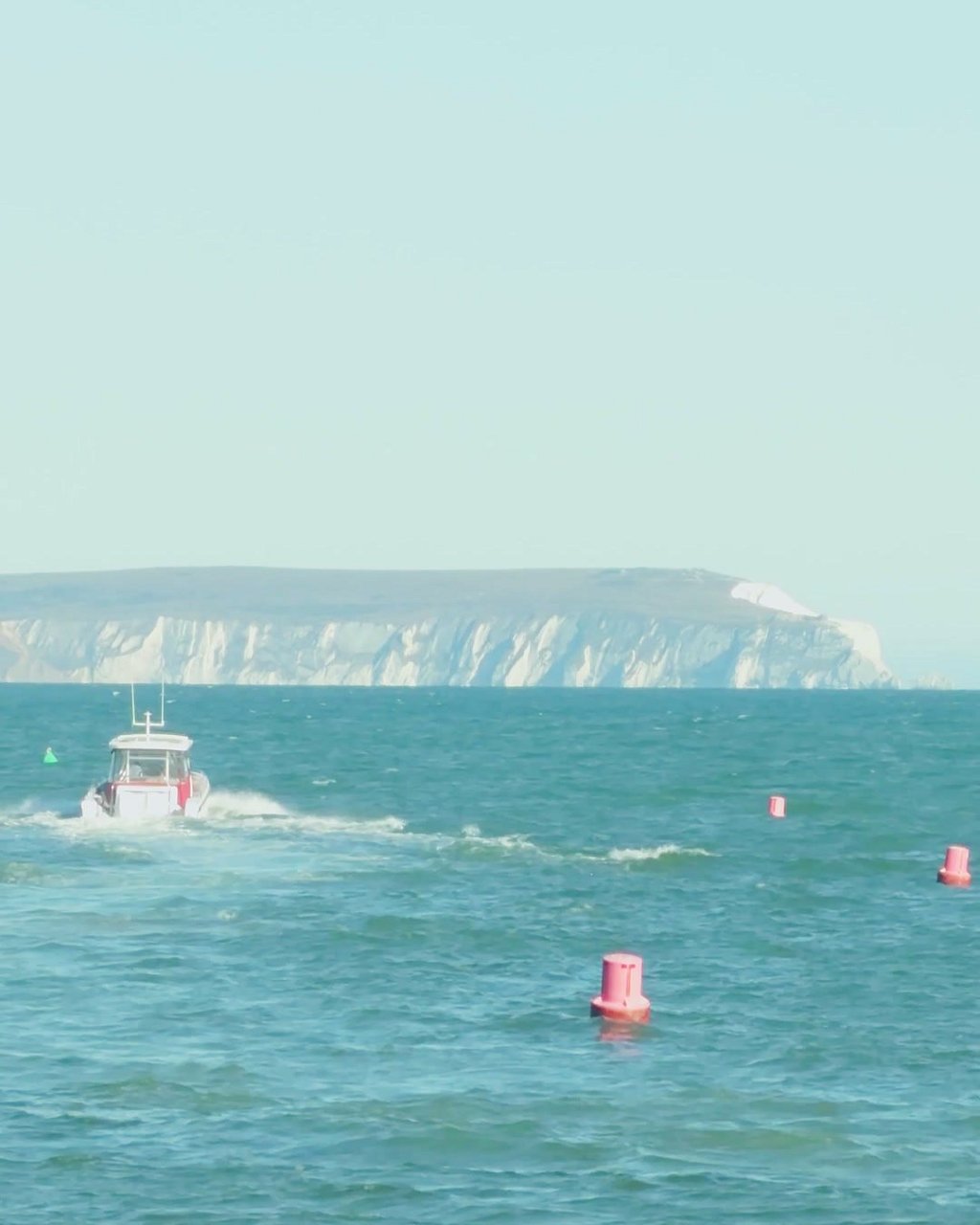
Christchurch Harbour suited the trade well, and the reasons are still visible. The entrance, known as The Run, is a narrow gap between the quay and Mudeford Sandbank where the ebb tide can reach eight knots. Inside, the water is so shallow that large areas dry out at low tide. Even now the average depth away from the marked channels is only about 18 inches.
A deep-keeled revenue cutter could not follow a shallow smuggling boat through that gap, and its officers knew it. The History Society records that the revenue men feared The Run. Local crews who had fished these channels all their lives held every advantage, and behind them lay the creeks of Stanpit Marsh.
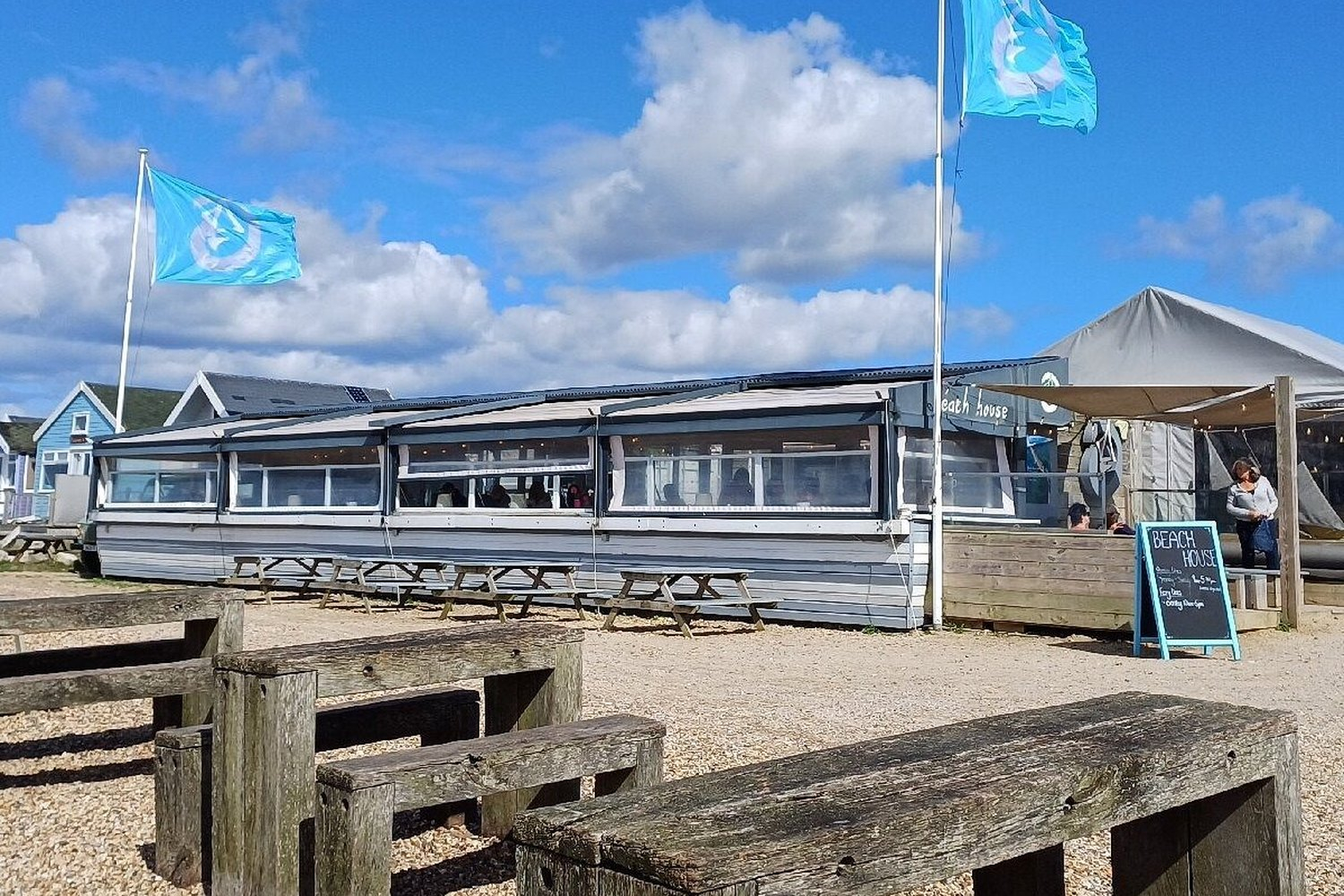
At about six in the evening on 15 July the three ships anchored off the harbour mouth and sent their boats in, rowing up The Run towards the two luggers. The smugglers were ready. They had dug trenches along the shore, and more men were inside the Haven House, the inn on the quay. As the boats came into range, they opened fire.
William Allen, master of the Orestes, was in a boat that ran aground in the shallows. He was shot and later died of his wounds. The fight went on for over three hours. When it ended the navy held the two luggers, which were towed away towards Cowes at about three the next morning. The smugglers had everything that mattered to them. The tea and the spirits were already well inland.
Three men were arrested, and one paid for the battle. George Coombes was hanged at Execution Dock in London in 1786. His body was brought back and hung in chains near the Haven House as a warning, until friends cut it down.
John Streeter fared better. He is said to have slipped away dressed as a woman, and by 1787 he was thought to be living in the Channel Islands.
Then there is Hannah Seller, landlady of the Haven House, who kept the inn until the year before her death in 1802. Her name is still on the map. The creek that winds through Stanpit Marsh is called Mother Siller's Channel, from a variant spelling of Seller.
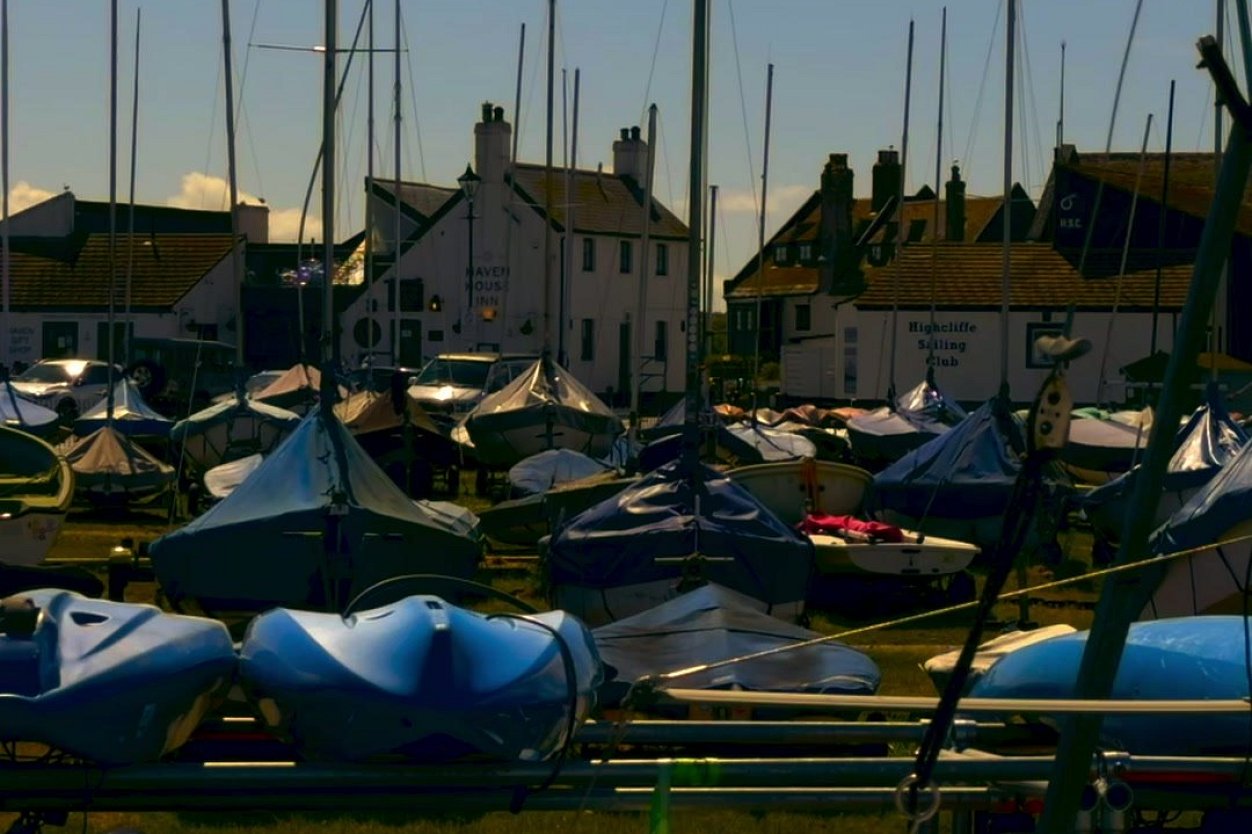
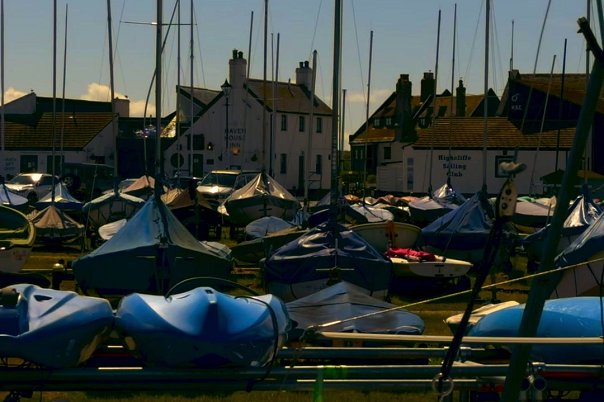
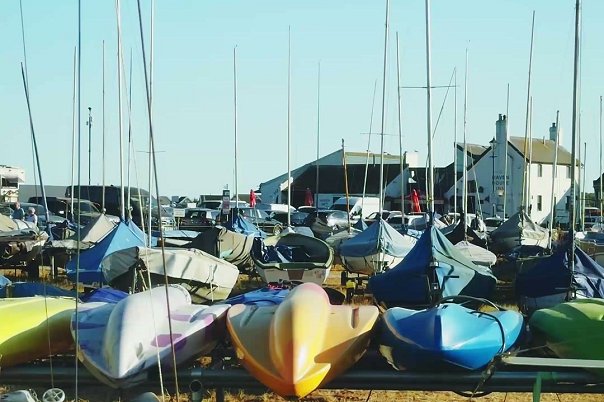
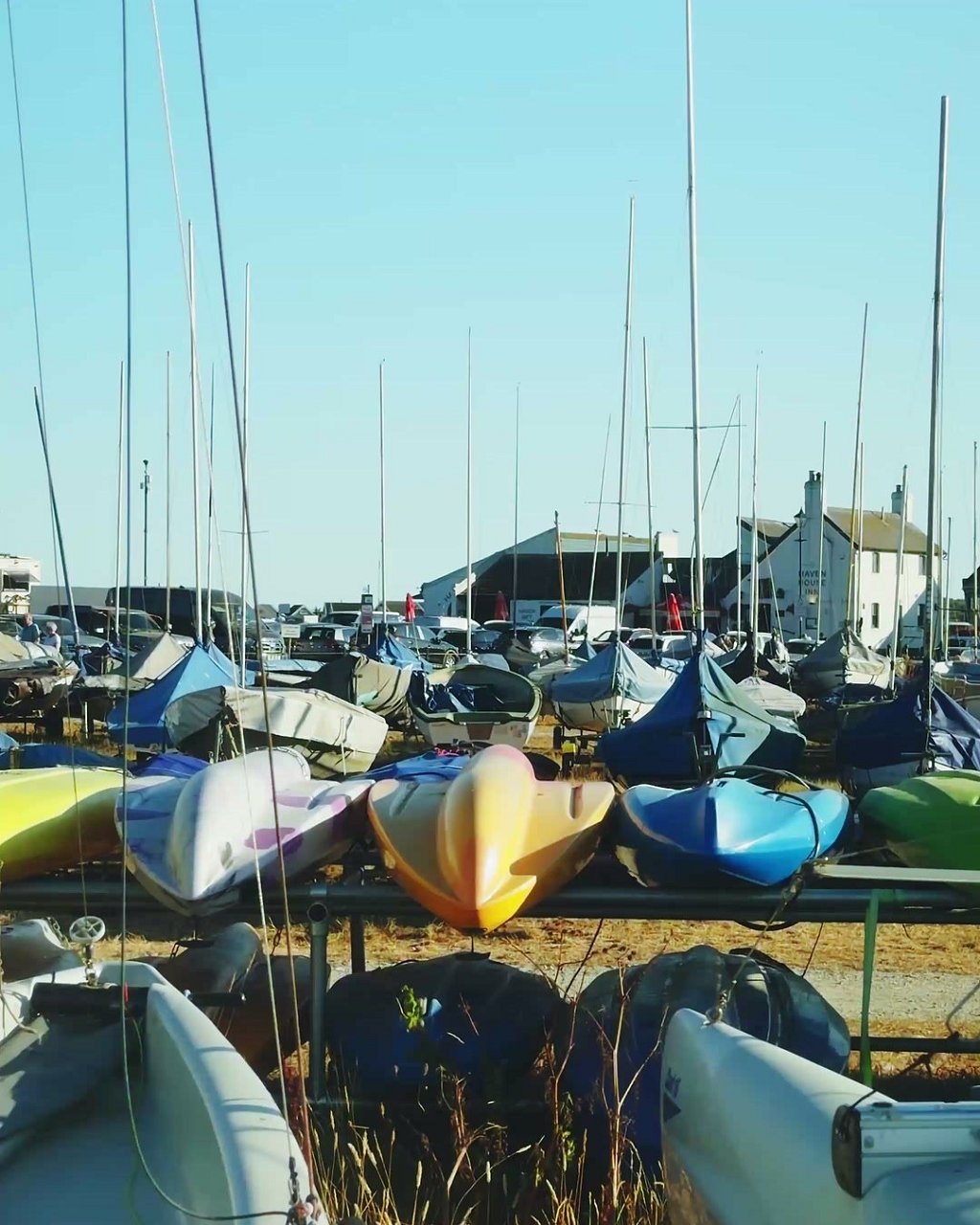
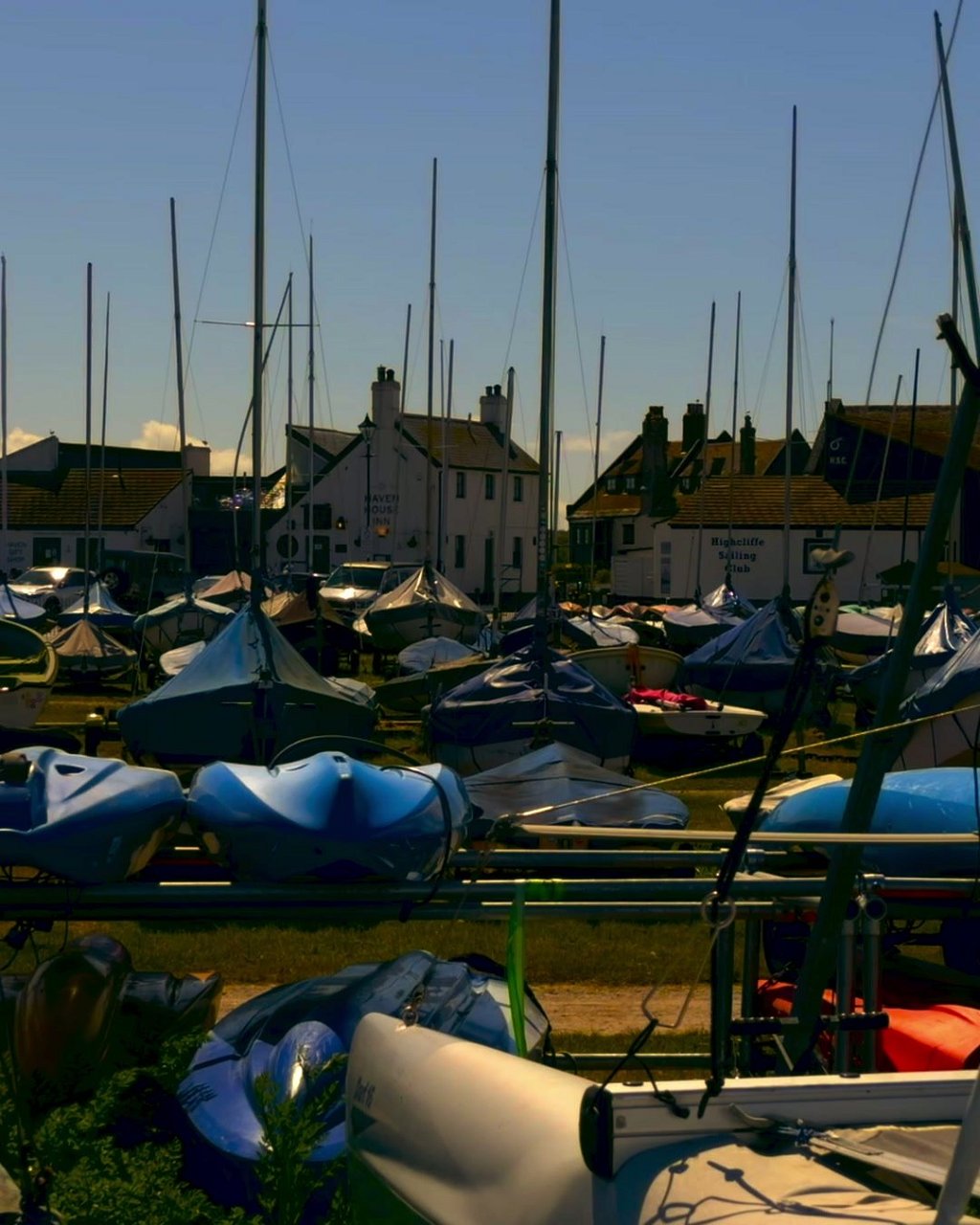
Start with the buildings. The Haven House of 1784 is not the pub of that name on the quay today. The original is the older building close by, now known as the Dutch House or Dutch Cottages. The car park in front of it is the battle site.
Look for the information panel and the William Allen Memorial Bench, both unveiled on 6 December 2017. Then look across The Run to the Black House on the sandbank. It appears in plenty of smuggling stories, but its lease dates from 1840, so it was not standing on the night of the battle.
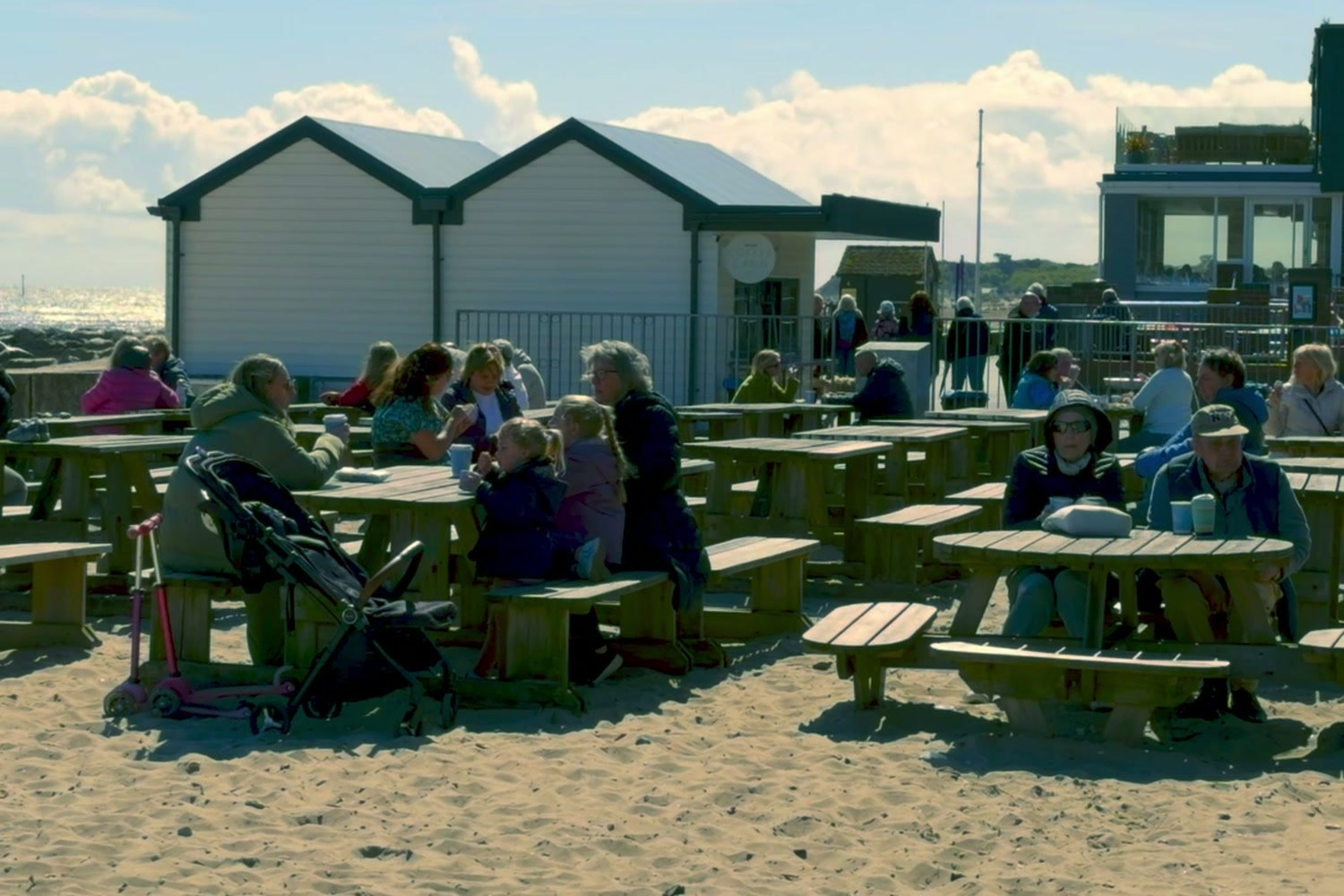
To see the water the way the navy crews did, take the ferry across to the sandbank. In winter it runs at weekends and in school holidays when the forecast is fair, and our guide to a day at Mudeford has the detail. Or stay on the wall and try crabbing at the quay. The current you will see racing past is the same one that beat the revenue men.

The fighting took place on the evening of 15 July 1784, the day after two luggers landed a huge cargo of spirits and tea on Avon Beach. It lasted for more than three hours.
At Mudeford Quay in Christchurch, on the ground that is now the quay car park, and in The Run, the narrow harbour entrance beside it.
The smugglers, on balance. The navy and revenue crews seized the two smuggling luggers, but the smugglers kept the whole cargo and their leader, John Streeter, escaped. William Allen, master of HMS Orestes, was killed.
Yes. An information panel and the William Allen Memorial Bench stand on Mudeford Quay. Both were unveiled on 6 December 2017.
Three men were arrested. George Coombes was hanged at Execution Dock in London in 1786 and his body was hung in chains near the Haven House.
Featured Listings
Priory Hair Company: Award-Winning Hair Salon in Christchurch

Discover Priory Hair Company, an award-winning...
Grosvenor Lodge Guest House Christchurch
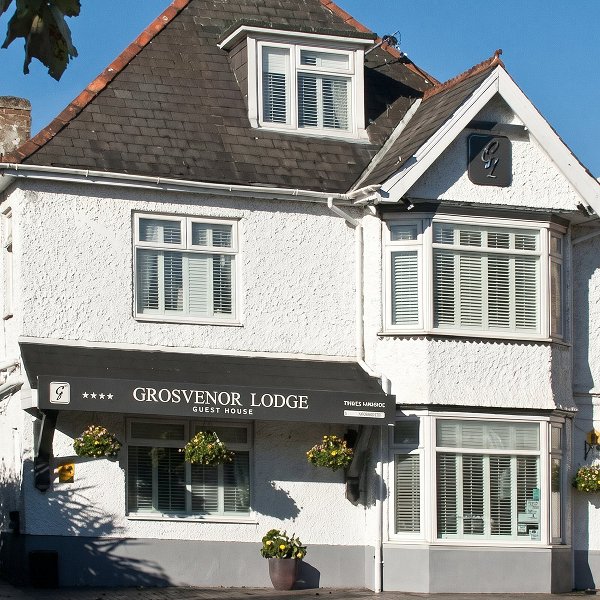
The Grosvenor Lodge Guest House in Christchurch,...
Alice’s Adventures in Wonderland – Royal Ballet & Opera at The Regent, Christchurch
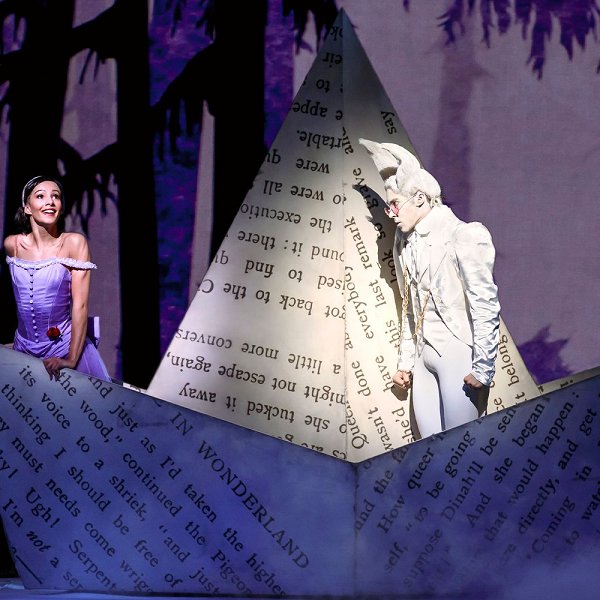
Christopher Wheeldon’s Alice’s Adventures in...
Highcliffe and Infinity Photography Club

Find out more about Highcliffe and Infinity...
The Venue Beauty Salon & Clinic Christchurch

Discover The Venue Beauty Salon & Clinic on...
Christchurch Life Drawing Group

Christchurch Life Drawing Group are a monthly...
Furry Little Rascals - Dog Walking & Pet Sitting

Furry Little Rascals offers friendly, professional...
Dorset List: Massage Treatments and Therapies in Dorset

Find out details about Massage Treatments and...
Christchurch Community Groups to Benefit from £991,899 BCP Support Fund

Several Christchurch organisations are among 42...
Forbidden Nights at The Regent, Christchurch

Forbidden Nights, the dance troupe from...