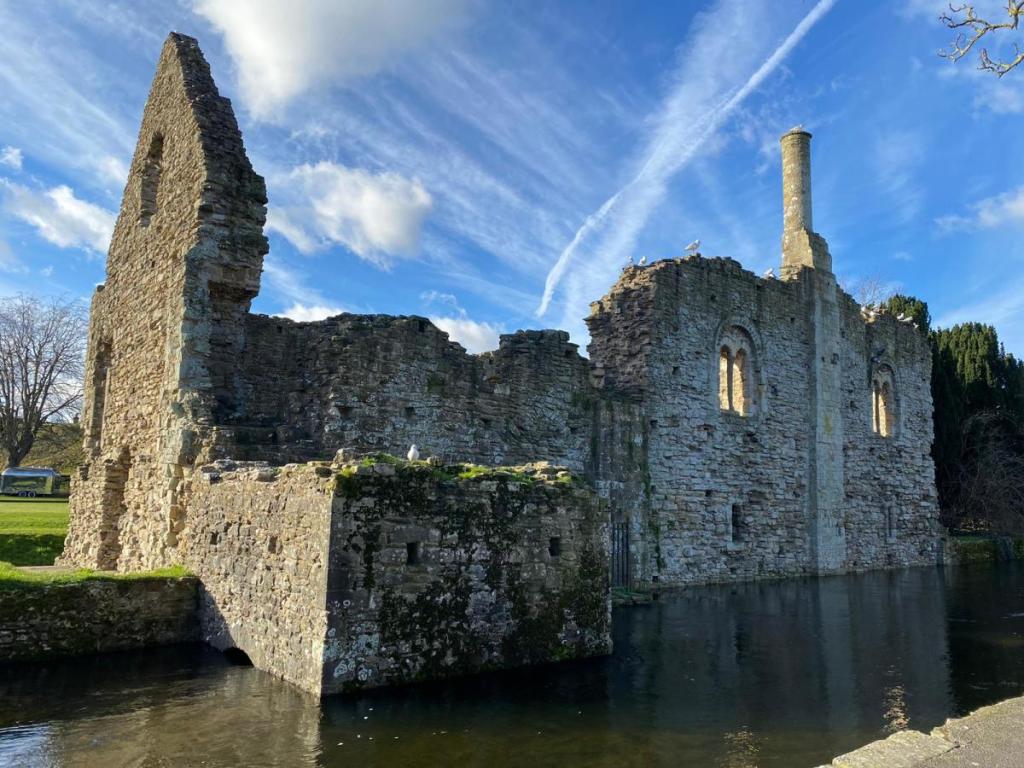
Discover the fascinating history hidden around Christchurch, from its Saxon origins and Norman castle to medieval miracles and famous smuggling tales. This historic Dorset town is full of remarkable stories waiting to be uncovered, making every walk through its streets, Priory grounds and picturesque harbour a journey through more than 1,000 years of history.
11th July 2026
Christchurch History | Christchurch Lifestyle
From ancient Saxon settlements and medieval castles to secret smuggling routes and remarkable miracles, Christchurch is packed with stories hiding in plain sight. Wander through the town today and it's easy to admire the riverside views, but look a little closer and you'll uncover more than a thousand years of history. Here are five fascinating stories that reveal why Christchurch is one of Dorset's most historic and intriguing places.
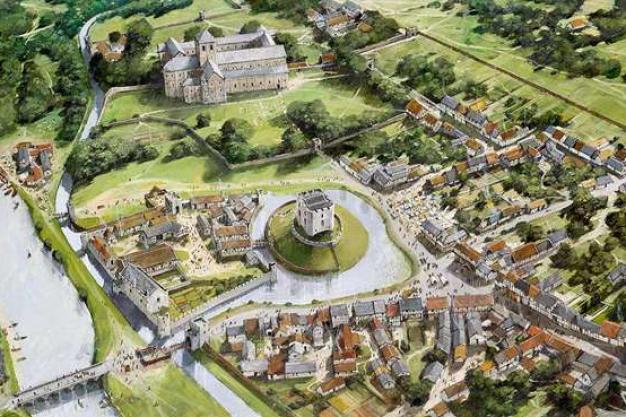
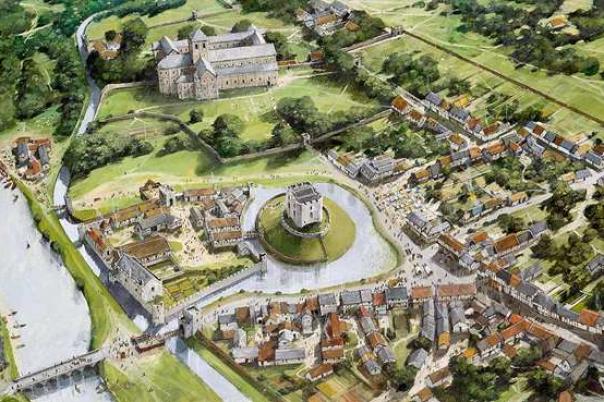
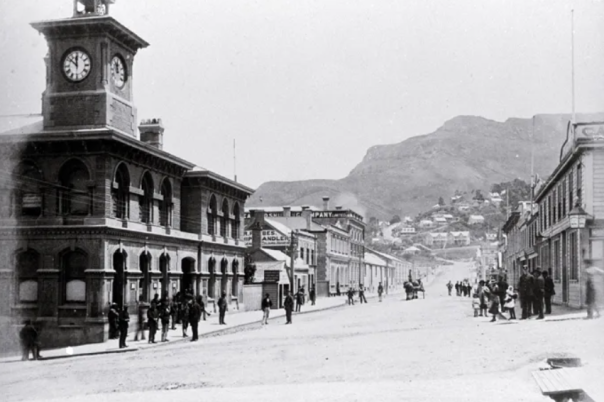
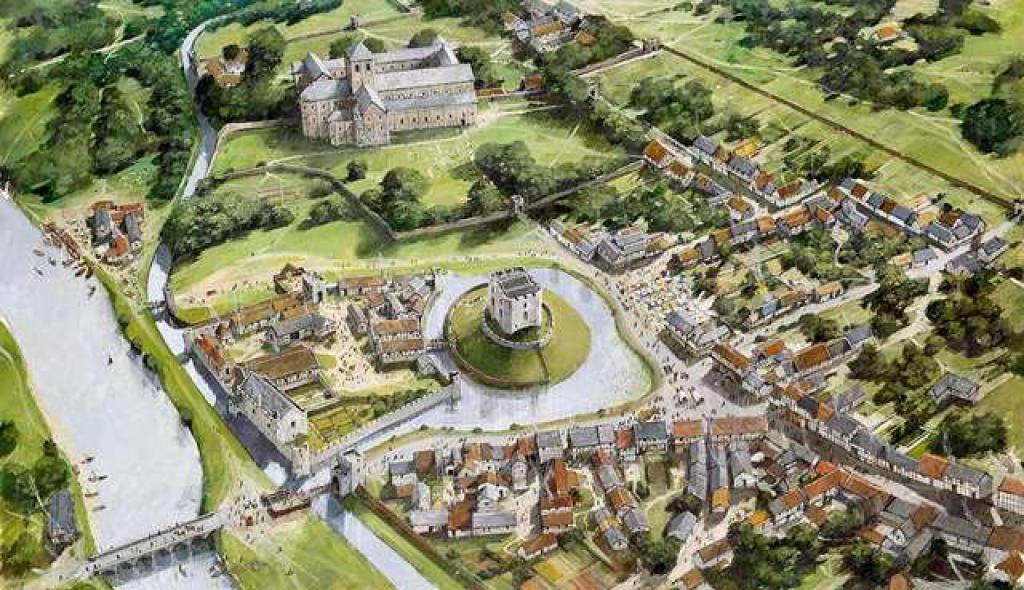
Long before it became the Christchurch we know today, the town was known as Twynham, meaning "between the rivers" - a fitting name for a settlement nestled between the Rivers Avon and Stour. It was already an important Saxon town more than 1,000 years ago and was even fortified on the orders of King Alfred to help defend Wessex against Viking attacks. It wasn't until a great Norman church was built here that the town gradually became known as Christchurch.
Today, as you stroll beside the rivers or across the Priory grounds, you're following in the footsteps of generations who chose this same spot because of its natural beauty and strategic location.
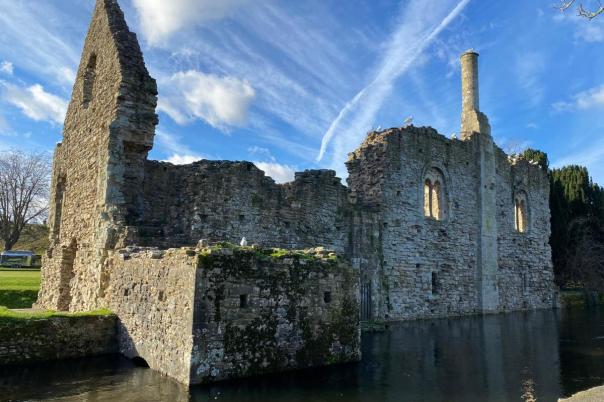
The ruins of Christchurch Castle might appear peaceful today, but they've witnessed centuries of conflict.
Built shortly after the Norman Conquest, the castle became the stronghold of the powerful de Redvers family. Over the centuries it survived sieges, political upheaval and even the English Civil War before Parliament ordered much of it to be demolished in the 1650s. The impressive keep and the beautifully preserved Norman House are all that remain of what was once one of the region's most important castles.
Climbing the mound today offers one of the best views in Christchurch, and it's remarkable to think that this quiet corner was once at the centre of medieval power.
Christchurch Priory has stood at the heart of the town for centuries, but one of its most famous stories isn't about kings or battles.
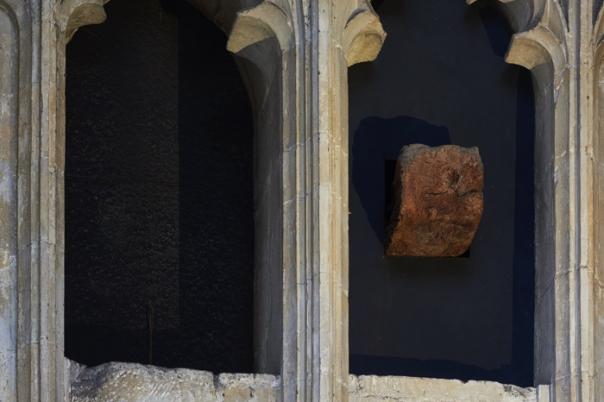
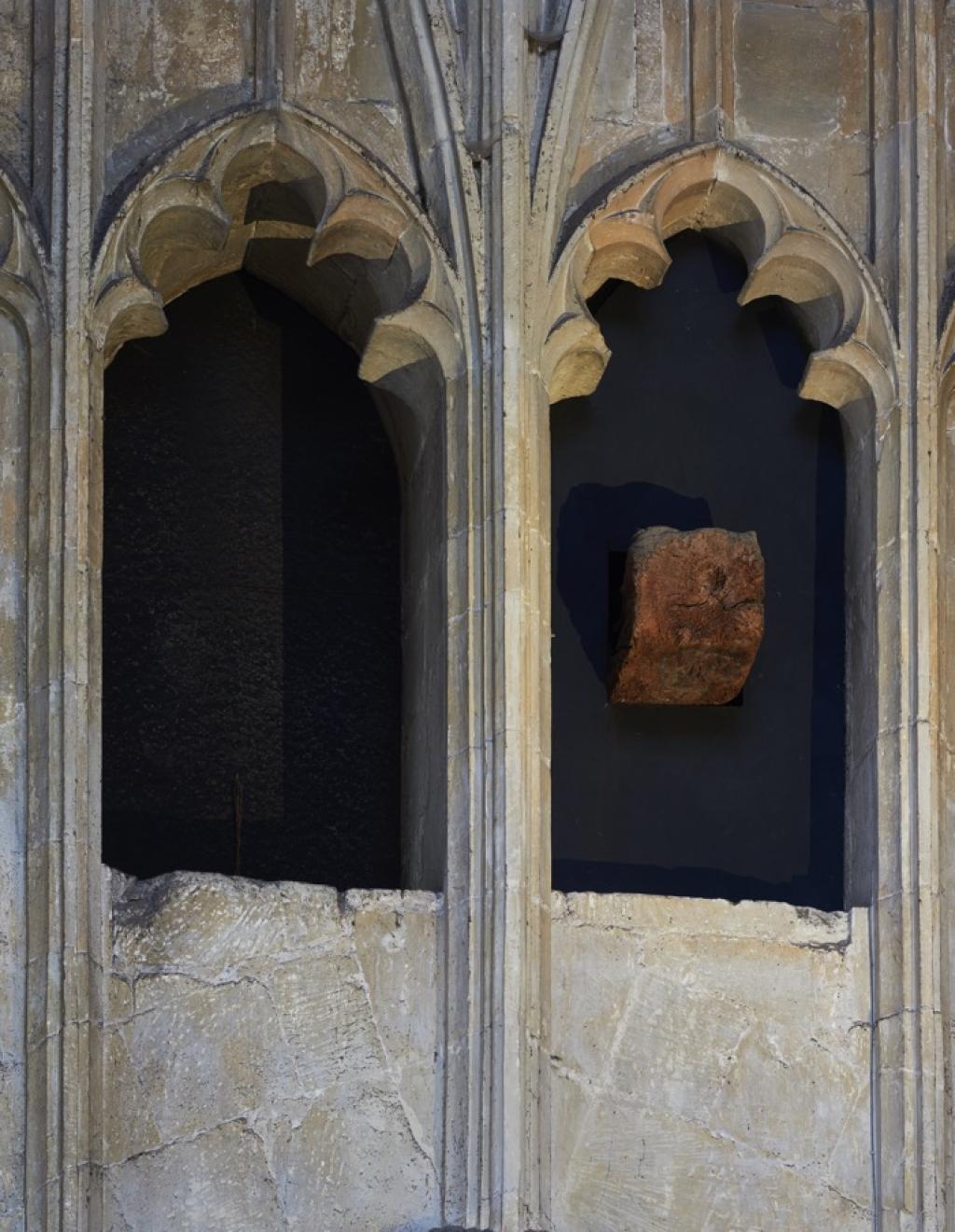
According to local tradition, medieval builders discovered that one of the enormous roof beams they'd prepared was too short to fit. Work stopped for the evening, but when they returned the following morning the beam had somehow been moved into place and was exactly the right length. Many believed angels had completed the work overnight, and the "Miraculous Beam" became an object of pilgrimage for centuries.
Whether you believe the legend or not, it remains one of Christchurch's most enduring stories.
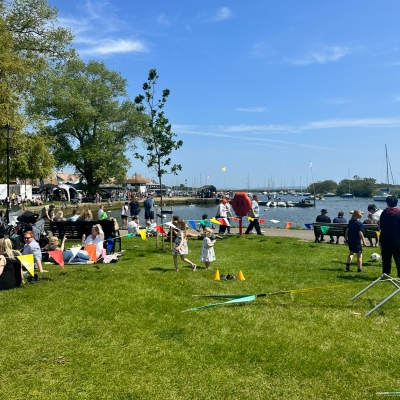
Today, Christchurch Quay feels wonderfully peaceful, with rowing boats drifting across the water and families enjoying an ice cream.
Two hundred years ago, it told a very different story.
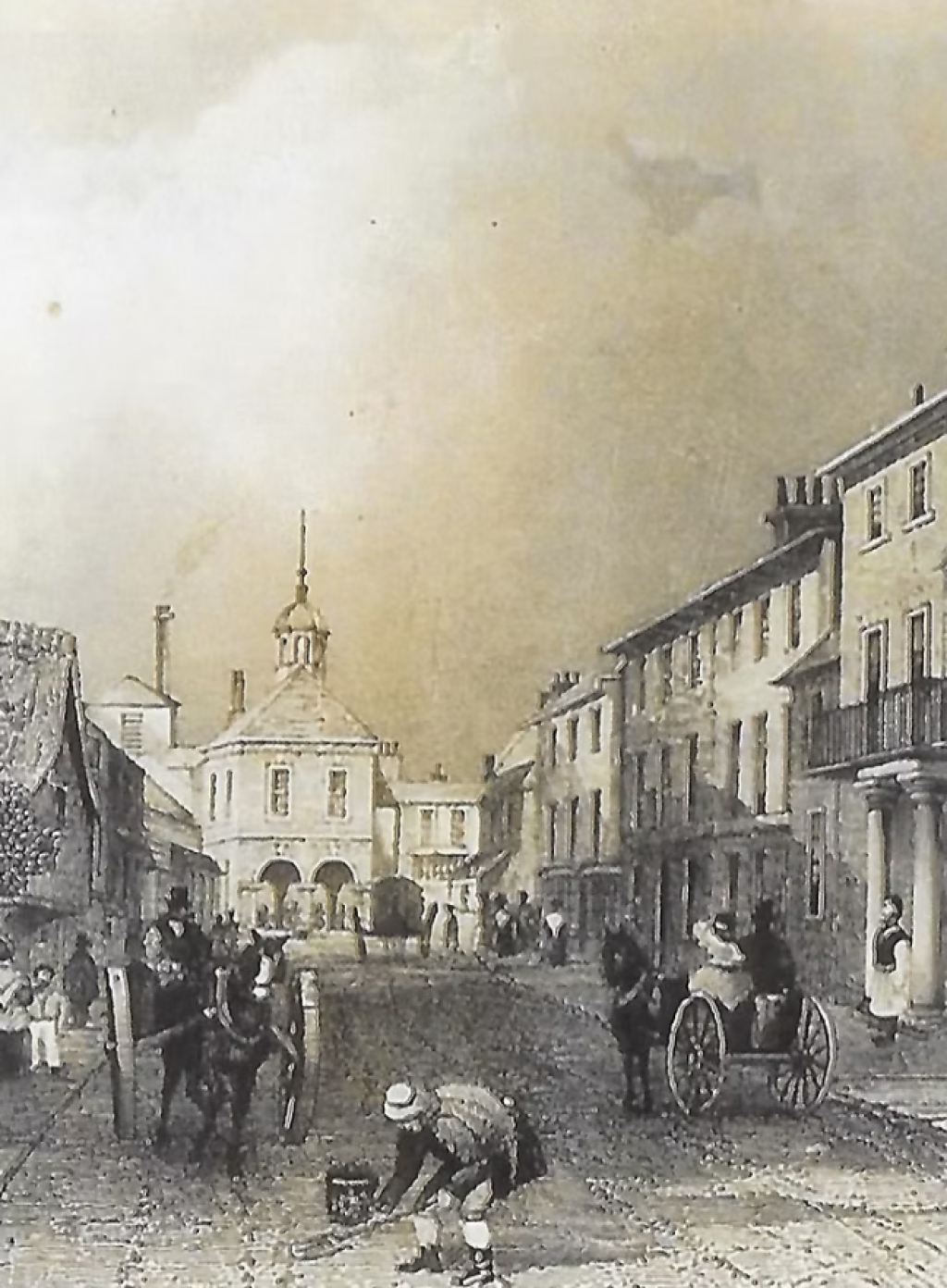
During the 18th and early 19th centuries, Christchurch became one of the south coast's busiest smuggling centres. The winding harbour entrance, shifting sandbanks and maze of waterways made it almost impossible for customs officers to catch experienced local sailors. Rum, brandy, tea and tobacco were quietly brought ashore under the cover of darkness, and local legends suggest that respectable merchants, publicans and even civic leaders were involved in the lucrative trade.
It gives Christchurch's tranquil waterfront a wonderfully mysterious past that's hard to imagine today.
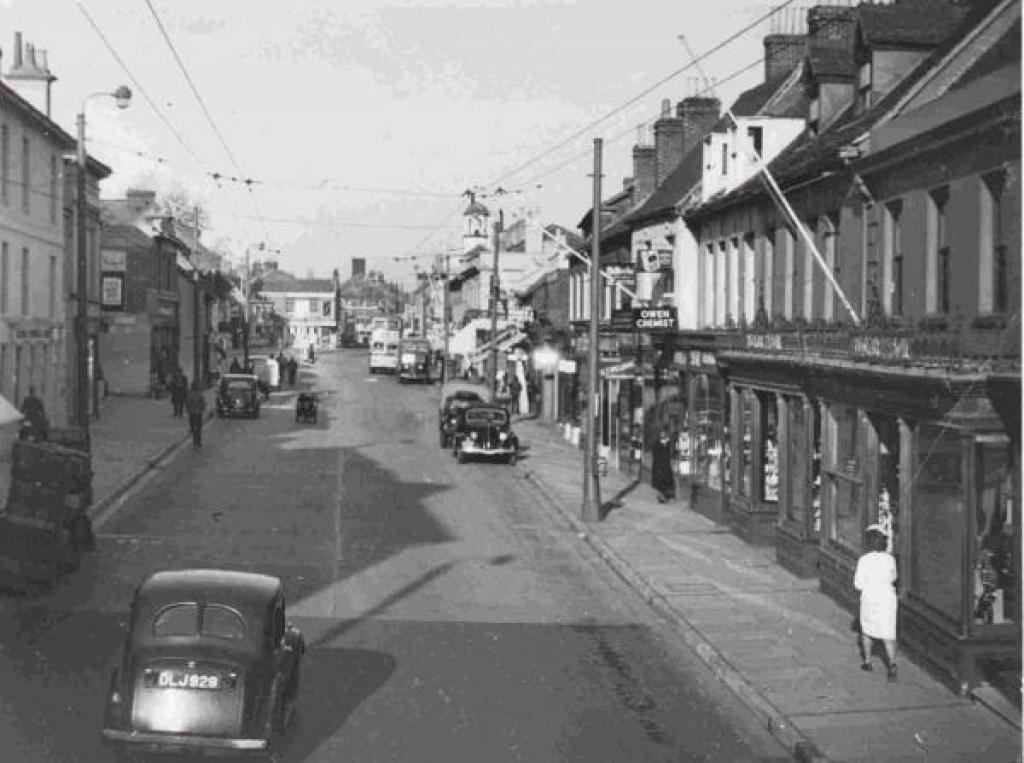
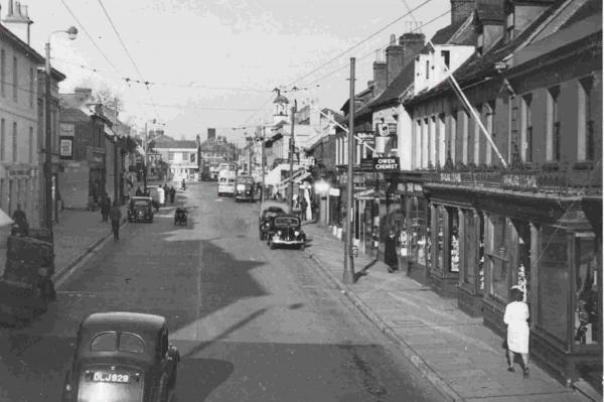
Many visitors think of Christchurch as a charming market town, but few realise just how much history is packed into its compact centre.
Within a short walk you can discover a Saxon settlement, Norman castle ruins, one of England's longest parish churches, medieval streets and centuries-old quays that once connected the town to traders, fishermen and smugglers alike. Every corner reveals another chapter of the town's remarkable story, making Christchurch feel less like an ordinary seaside destination and more like an open-air history book waiting to be explored.
Featured Listings
Christchurch and Highcliffe Brass Band
Christchurch and Highcliffe Brass Band are a local...
Highcliffe Art Fellowship

Highcliffe Art Fellowship is a creative club in...
Guide to the Best Beaches in Christchurch, Dorset

Find details of the many beautiful beaches and...
Eyre & Elliston Christchurch

Eyre & Elliston is an Electrical Wholesale...
Gales Solicitors Bournemouth

Gales Solicitors are an experienced team of legal...
West Country Embroiderers Christchurch

West Country Embroiderers Christchurch are a...
Stunning BATHROOM TRANSFORMATIONS from Bourne Property Solutions
See this stunning transformation completed by...
Christchurch Quay
Find out more about what you can see and do at...
A Visit to PLACE MILL in Christchurch, Dorset - A Charming Historical Gem
Place Mill offers a delightful slice of...
Guide to the Best Beaches in Southbourne
Discover the many beautiful beaches that...


 Spanish
 Chinese (simplified)
 Dutch
Dutch French
 German
 Italian
 Norwegian
 Polish
 Romanian
 Russian